
Categories
Archive
- July 2026
- June 2026
- May 2026
- April 2026
- March 2026
- February 2026
- January 2026
- December 2025
- November 2025
- October 2025
- September 2025
- August 2025
- July 2025
- June 2025
- May 2025
- April 2025
- March 2025
- February 2025
- January 2025
- November 2024
- October 2024
- September 2024
- August 2024
- June 2024
- May 2024
- April 2024
- March 2024
- February 2024
- January 2024
- December 2023
- November 2023
- October 2023
- September 2023
- August 2023
- June 2023
- April 2023
- March 2023
- February 2023
- January 2023
- December 2022
- November 2022
- October 2022
- August 2022
- July 2022
- May 2022
- March 2022
- February 2022
- November 2021
- October 2021
- September 2021
- August 2021
- July 2021
- June 2021
- May 2021
- April 2021
- March 2021
- January 2021
- December 2020
- November 2020
- October 2020
- September 2020
- August 2020
- June 2020
- May 2020
- April 2020
- March 2020
- February 2020
- January 2020
- December 2019
- November 2019
- October 2019
- September 2019
- July 2019
- June 2019
- May 2019
- April 2019
- March 2019
- February 2019
- January 2019
- December 2018
- November 2018
- October 2018
- September 2018
- August 2018
- June 2018
- May 2018
- April 2018
- March 2018
- February 2018
- January 2018
- December 2017
- November 2017
- August 2017
- July 2017
- June 2017
- May 2017
- April 2017
- March 2017
- February 2017
- January 2017
- November 2016
- October 2016
- September 2016
- August 2016
- July 2016
- June 2016
- May 2016
- April 2016
- March 2016
- January 2016
- December 2015
- November 2015
- October 2015
- September 2015
- July 2015
- June 2015
- May 2015
- April 2015
- October 2014
- August 2014
- January 2014
- December 2013
- November 2013
- October 2013
- July 2013
- June 2013
- May 2013
- April 2013
- March 2013
- January 2013
- December 2012
- November 2012
- September 2012
- May 2012
- January 2012
- November 2011
- October 2011
- September 2011
- August 2011
- July 2011
- June 2011
- May 2011
- April 2011
- March 2011
- October 2010
- September 2010
- May 2010
- April 2010
- March 2010
- January 2010
- October 2009
- September 2009
- August 2009
- June 2009
- April 2009
- March 2009
- February 2009
- January 2009
- December 2008
- November 2008
- September 2008
- August 2008
- July 2008
- June 2008
- April 2008
- March 2008
- January 2008
- December 2007
- November 2007
- October 2007
- July 2007
- April 2006
- August 212
-

Deep fake harms real scenario and new legislation
Too often in New Zealand, AI safety folk (who usually have a high level of privilege or are detached from vulnerable communities), will reference international AI stories highlighting harms while being oblivious to local harm stories. This is important from the perspective that New Zealand is not immune from AI harms and it helps politicians…
-

Māori Data Sovereignty and the Fragility of Borrowed AI
Anthropic the company behind the Claude AI received with no warning or explanation, a directive directing them to immediately suspend access to their Fable 5 and Mythos 5 models for all foreign nationals in America and all non-Americans on the planet, . This included New Zealand who had access for several days prior. “Fable 5…
-

Human Oversight in Automated Decision Making
The New Zealand media continue to report on AI harms from a western, academic, middle-class perspective while continuing to make invisible communities silent and ignored. This is a te ao Māori perspective of the recent MSD automated Decision Making law that was passed, delving deep into community harms for Māori. I have spent years documenting…
-
Ministry’s AI Guidance- wrong Māori advise
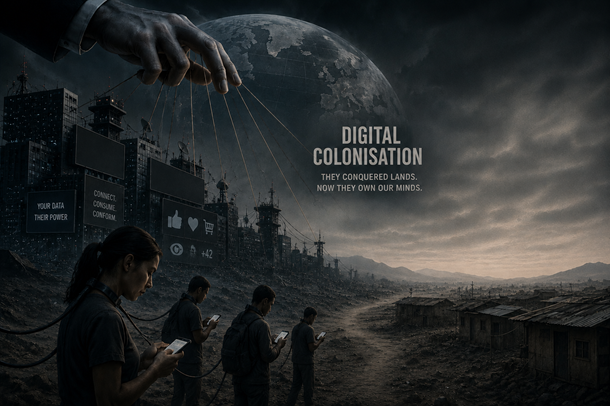
The Ministry for Regulation’s Responsible AI in Action guidance (May 2026) represents a credible foundation for regulators engaging with Artificial Intelligence. However, the guidance contains a significant and consequential gap: its treatment of Te Tiriti o Waitangi and Māori data sovereignty is underdeveloped, incorrect, outdated, and structurally undermined by the absence of Māori voices in…
-

NZ FTA with India – dangers for Māori
In 1907, the New Zealand Government passed an Act with a single purpose: to suppress tohunga and the traditional Māori knowledge and beliefs they held. It was not repealed until 1962. This was in addition to the Natives Schools Act, repression of reo Māori and culture and other systematic cultural erasure. I grew up seeing…
-

Replacing public servants with AI – costs to Māori
The current coalition government has announced the elimination of approximately 8,700 public sector positions or 14% of the public workforce alongside NZ$2.4 billion in spending reductions over three years, with AI deployed as the replacement mechanism. The PSA has been direct in its assessment: AI is being used as a justification for politically driven job…
-
Māori Privacy Survey Findings
The Office of the Privacy Commissioner’s 2026 survey on privacy concerns and the use of personal information tells a story that New Zealand policymakers, technologists, and public institutions would do well to read carefully. More than half of all New Zealanders, 52 percent say they are concerned about their individual privacy. Among Māori, that figure…
-

AI Agents and Legal Personhood in New Zealand
In this article I extend my earlier analysis of Māori cultural perspectives on AI sentience and legal personhood to the specific and urgent case of agentic AI systems, those capable of autonomous, persistent, goal directed action across digital environments. I argue that Mead’s tikanga Māori framework that I have previously applied to static AI models…
-
Google DeepMind hires ‘philosopher’ to work on machine consciousness
As AI systems grow more capable, companies appear increasingly willing to look beyond traditional engineering disciplines for guidance on questions that touch on consciousness, identity and what it means to interact meaningfully with a machine. On 13 April 2026, Google DeepMind announced it had hired philosopher Henry Shevlin to study machine consciousness, human AI relationships,…
-
Human Resilience with AI
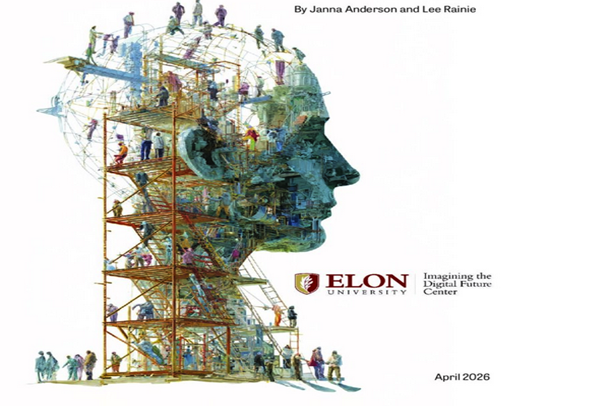
I was honoured to be one of the 386 international AI ethics experts to contribute a short essay to the “Building a Human Resilience Infrastructure for the Age of AI: Experts Call for Radical Change Across Institutions, Social Structures” report and contribute a Te Ao Māori perspective to the Epistemic Vigilance: Discerning Truth, Illusion and…
-
Briscoes and Rebel Sport FRT with no visible Māori consultation
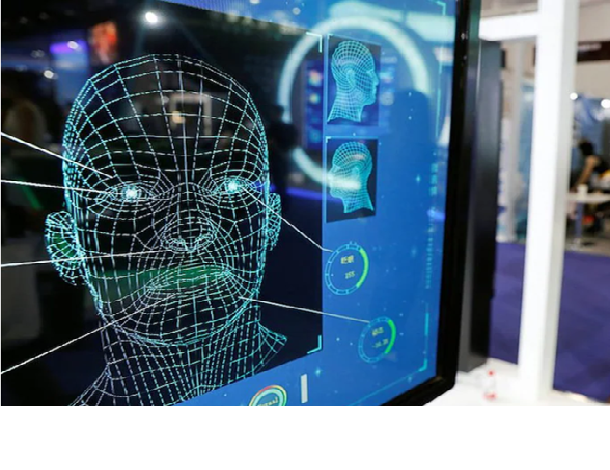
As facial recognition technology (FRT) is gradually being implemented across New Zealand’s retail landscape, a troubling gap has emerged in how one of the country’s major retailers is handling its rollout. With only internal notices, Briscoes Group operator of Briscoes Homeware and Rebel Sport has been trialling FRT across 18 North Island stores since September…
-

AI Bias with Māori in Job Interviews
The past few days we are hearing about AI and recruitment issues with you a young man who faced bias. I am increasingly concerned that the media is not giving Māori any consideration with their AI bias stories, relying on academics for opinions and for them to talk about us like we are not capable…
-

Meta’s Digital Ghost Patent
Meta’s Digital Ghost Patent: A Te Ao Māori Analysis IMPORTANT NOTICE FOR FACEBOOK AND META USERS On 30 December 2025, Meta was granted a United States patent that would allow its platforms to use Artificial Intelligence to construct a digital simulation of you, trained on your posts, messages, voice recordings, browsing history, and purchases and…
-

Kaupapa Māori AI Framework
I am excited to release, perhaps the world’s first Indigenous Peoples AI Framework for understanding and describing the nature of an Artificial Intelligence (AI). Drawing on mātauranga Māori, tikanga Māori, and te reo Māori, the framework is encapsulated in the whakatauāki :He Tangata, He Karetao, He Ātārangi” (A person, a puppet, a shadow). Each term describes…
-
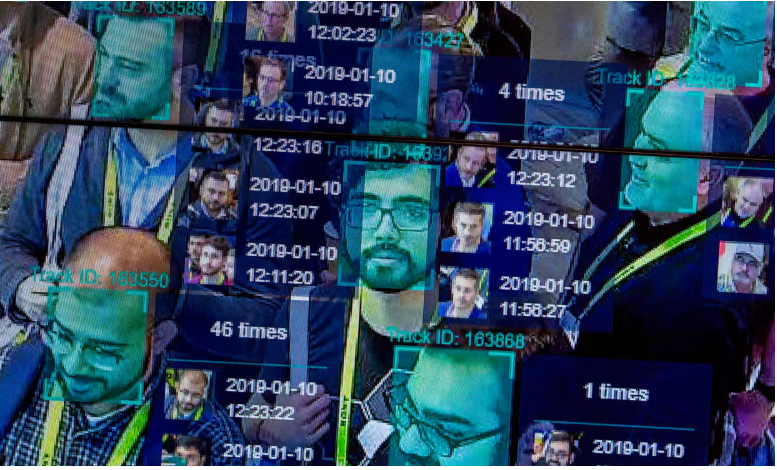
Facial Recognition, Algorithmic Bias, and Compounded Harm to Māori and Pacific Communities
A new paper I’ve written looks at Foodstuffs South Island’s facial recognition trial in Christchurch and raises serious questions about who bears the risk. The three trial stores sit in suburbs where Māori and Pacific populations are well below the city average. The stores excluded from the trial are in the suburbs with the highest…
-
Responsible AI in New Zealand
New Zealand has developed a comprehensive suite of AI governance instruments, including the Algorithm Charter (Stats NZ, 2020), Privacy Act 2020, Digital Identity Services Trust Framework Act 2023, Biometric Processing Privacy Code 2025 (Office of the Privacy Commissioner, 2025), and responsible AI guidance for both public and private sectors (Ministry of Business, Innovation and Employment,…
-

Māori AI and Unequal Futures
The New Zealand Reserve Bank released a report “Assessing AI and Robotics Exposure in the New Zealand Labour Market Using Large Language Models“. The analysis finds that Māori workers appear to have lower exposure to AI and robotics than other groups. While this may initially seem positive, it risks being misinterpreted. In the report, higher AI…
-

Māori likely to see graphic or extreme content
The 2026 Online Exposure: Experiences of Extreme or Illegal Content in Aotearoa report from the Classification Office provides a comprehensive look at the prevalence and impact of extreme or illegal online content within New Zealand. This report examines the experiences of extreme or illegal content among various age groups and how it affects the population.…
