
Categories
Archive
- June 2026
- May 2026
- April 2026
- March 2026
- February 2026
- January 2026
- December 2025
- November 2025
- October 2025
- September 2025
- August 2025
- July 2025
- June 2025
- May 2025
- April 2025
- March 2025
- February 2025
- January 2025
- November 2024
- October 2024
- September 2024
- August 2024
- June 2024
- May 2024
- April 2024
- March 2024
- February 2024
- January 2024
- December 2023
- November 2023
- October 2023
- September 2023
- August 2023
- June 2023
- April 2023
- March 2023
- February 2023
- January 2023
- December 2022
- November 2022
- October 2022
- August 2022
- July 2022
- May 2022
- March 2022
- February 2022
- November 2021
- October 2021
- September 2021
- August 2021
- July 2021
- June 2021
- May 2021
- April 2021
- March 2021
- January 2021
- December 2020
- November 2020
- October 2020
- September 2020
- August 2020
- June 2020
- May 2020
- April 2020
- March 2020
- February 2020
- January 2020
- December 2019
- November 2019
- October 2019
- September 2019
- July 2019
- June 2019
- May 2019
- April 2019
- March 2019
- February 2019
- January 2019
- December 2018
- November 2018
- October 2018
- September 2018
- August 2018
- June 2018
- May 2018
- April 2018
- March 2018
- February 2018
- January 2018
- December 2017
- November 2017
- August 2017
- July 2017
- June 2017
- May 2017
- April 2017
- March 2017
- February 2017
- January 2017
- November 2016
- October 2016
- September 2016
- August 2016
- July 2016
- June 2016
- May 2016
- April 2016
- March 2016
- January 2016
- December 2015
- November 2015
- October 2015
- September 2015
- July 2015
- June 2015
- May 2015
- April 2015
- October 2014
- August 2014
- January 2014
- December 2013
- November 2013
- October 2013
- July 2013
- June 2013
- May 2013
- April 2013
- March 2013
- January 2013
- December 2012
- November 2012
- September 2012
- May 2012
- January 2012
- November 2011
- October 2011
- September 2011
- August 2011
- July 2011
- June 2011
- May 2011
- April 2011
- March 2011
- October 2010
- September 2010
- May 2010
- April 2010
- March 2010
- January 2010
- October 2009
- September 2009
- August 2009
- June 2009
- April 2009
- March 2009
- February 2009
- January 2009
- December 2008
- November 2008
- September 2008
- August 2008
- July 2008
- June 2008
- April 2008
- March 2008
- January 2008
- December 2007
- November 2007
- October 2007
- July 2007
- April 2006
- August 212
-

Tikanga AI images of a person
A New Zealand model Elijah Timmins-Scanlon alleges streetwear brand Huffer is generating models with AI, using the likeness of models from previous Huffer campaigns, without disclosure. Shockingly, On 6 June, Huffer wrote to him demanding he “immediately remove, or amend” posts it claimed may breach the Harmful Digital Communications Act 2015 and asserted a right…
-
NZ FTA with India – dangers for Māori
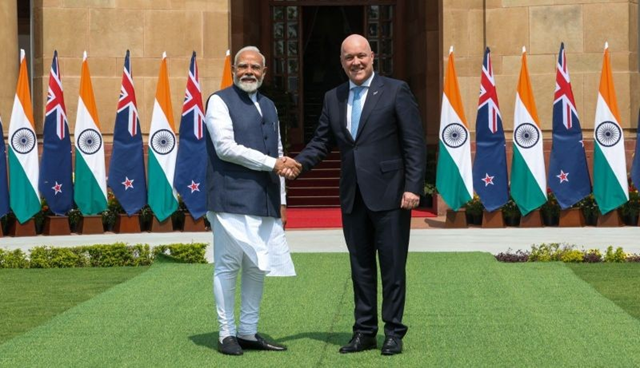
In 1907, the New Zealand Government passed an Act with a single purpose: to suppress tohunga and the traditional Māori knowledge and beliefs they held. It was not repealed until 1962. This was in addition to the Natives Schools Act, repression of reo Māori and culture and other systematic cultural erasure. I grew up seeing…
-

Google DeepMind hires ‘philosopher’ to work on machine consciousness
As AI systems grow more capable, companies appear increasingly willing to look beyond traditional engineering disciplines for guidance on questions that touch on consciousness, identity and what it means to interact meaningfully with a machine. On 13 April 2026, Google DeepMind announced it had hired philosopher Henry Shevlin to study machine consciousness, human AI relationships,…
-
Mana Without Mātauranga – Digital Ethics
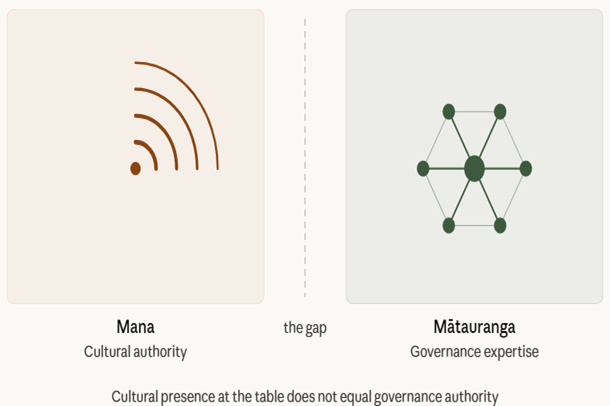
There is a pattern in New Zealand’s AI and data governance landscape that is rarely named directly, but it is immediately recognisable to anyone who has worked in this space. When organisations, government agencies, technology companies, universities, and research institutions decide they need Māori input into their AI and Data ethics frameworks, they do not,…
-

Loss of mātauranga to AI
Using paid, proprietary AI subscription services to build reo Māori and mātauranga models introduces serious risks of cultural appropriation, loss of control, and contested ownership. Māori have always been quick to adopt and adapt new technologies. Much of our traditional knowledge is only now being recognised as innovative within contemporary scientific fields. So when ChatGPT…
-

AI and Pepeha
After generations of successful assimilation of Māori culture by governments including Native Schools, Tohunga Suppression Act, The Hunn Report, etc, many Māori were left without knowing their identity. There has been an increasing trend for those Māori individuals to reclaim back that knowledge. For many people, they are disconnected from their families and communities, so…
-

Image of Māori women used in racist adverts
Aukaha News story of a Māori women Ellen Tamati was woken my her mokopuna today to hear that her image of her face and moko kauae has been used in racist billboards advertising anti Māori wards. A campaign by Hobson’s Pledge. The media clip of the woman is here https://www.facebook.com/share/v/19LKSEc1f8/ Hours later, there was a public…
-
AI generated video lessons of not what to do
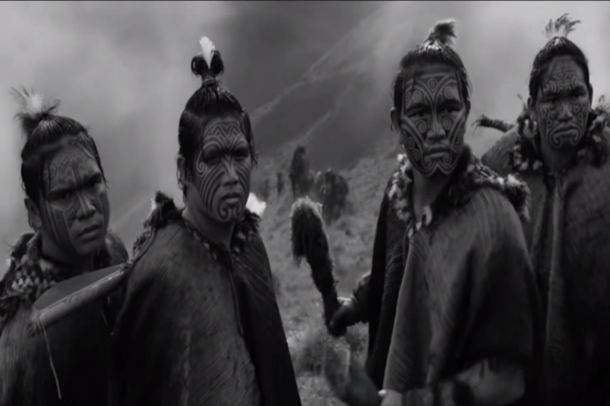
This YouTube video clip is a perfect example of why AI will not replace our talented people in the screen industry. It was reported in RNZ and in the Spin Off. The Chat GPT AI generated video is just over 10 minutes long and is supposed to be about about keeping your phone silent in…
-
Māori and First Nations Australia musicians views of Artificial Intelligence (AI)
New Zealand and Australian musicians were surveyed about their views of Artificial Intelligence and its impacts on their music, in addition Māori and Aboriginal and Torres Straight Islanders were segmented out creating a unique Indigenous Peoples perspective of AI and their music. The report AI and Music market development of AI in the music sector…
-

Consumer Guidelines for Māori Non Fungible Tokens
As with any new technology there are positives and often more negatives for Māori and other Indigenous Peoples protecting their traditional knowledge from abuse, appropriation and theft. In the short time that Non Fungible Tokens have been created, traded and advertised online there is a large amount of cultural appropriation and stolen images being transformed…
-
Tikanga about animated pictures of the dead
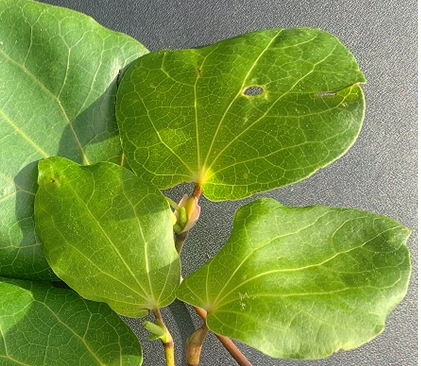
A new technological trend of animating images of people is becoming popular with images Māori tipuna and other dead people being animated for fun without knowledge of the offence to Māori, whānau, hapū and Iwi, nor the tikanga breaches. The app is called “My Heritage app”. In the past week I have seen several images…
-
Māori Culture Guidelines for Brand Owners and Marketing
These high level guidelines have been written by Karaitiana Taiuru who has been involved with Māori Cultural rights, Indigenous and Traditional Knowledge and assisting brands both in New Zealand and internationally for over 25 years. Last updated January 10 2021. The motivation to write this document is to provide an introduction to Māori cultural appropriation…
-
Classic racist reply to claims of cultural appropriation
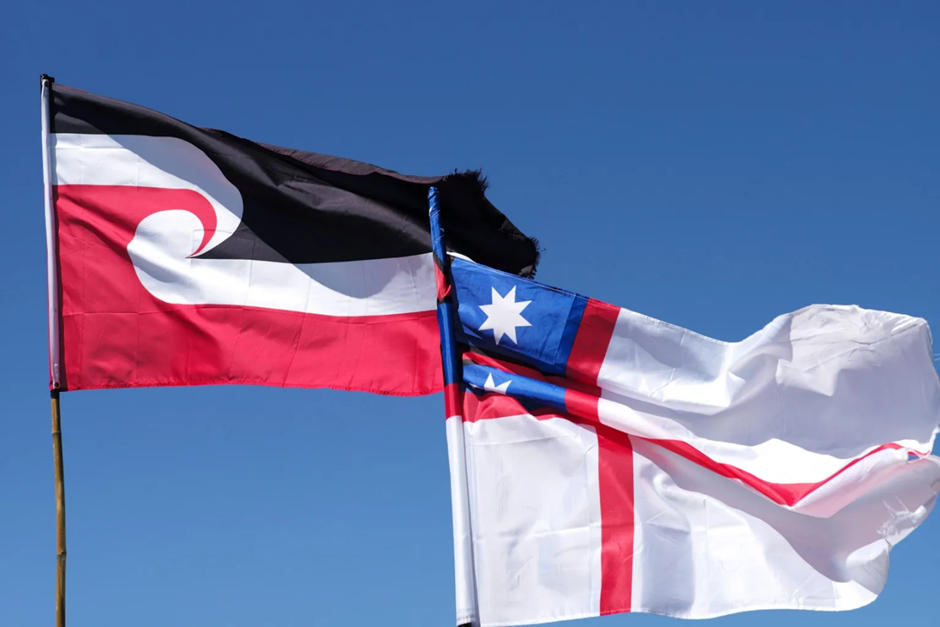
I have been calling out and educating perpetrators of cultural appropriation for decades. Of the hundreds of responses and abuse mocking me, there is a common theme as follows: As a Maori/Indigenous Person (etc) you wear European clothes, a European watch, use a computer that your people didn’t use to have, drive a car which…
-
Māori business self identification – end of racist profiling
Stuff reported a story that Māori businesses will soon have the opportunity to self identify as Maori. For the first time, a national register will let companies say if they identify as a Māori business. A change to the National Business Number register will give Māori enterprises the option to record data that identifies them…
-
Kingi appropriation or ill informed individuals
The NZ Herald and Stuff have run a number of stories about a restaurant using the name “Kingi” and a few Māori and non Māori claiming it is cultural appropriation. The arguments are in my opinion getting so absurd that that I worry about the knowledge of some people who claim to be cultural experts…
-
Kiwiana, Religious abuse or appropriation?
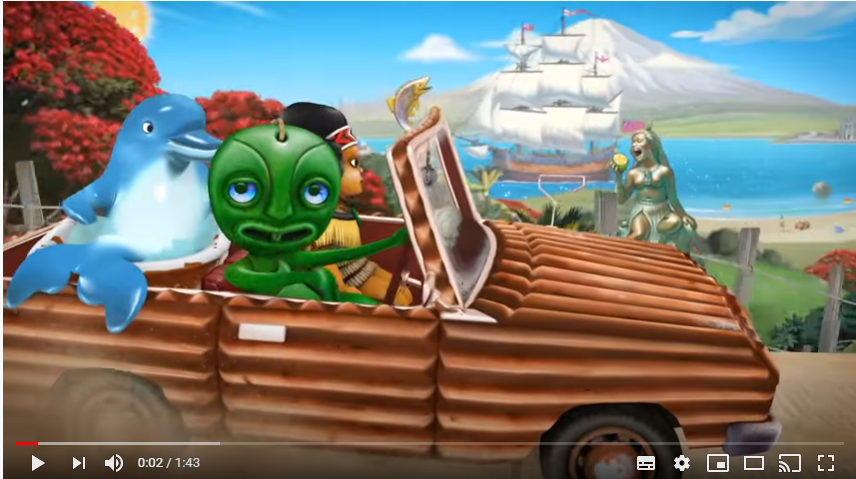
This article discusses the inappropriate and satirical usage of Māori religious icons and racial stereotypes of Māori in the Tasti bar advert that TVNZ recently played on air. The advert is also online here. UPDATE: Tasti apologise and state they will remove the advert. Their media statement here. The advert promotes racism…
-
Tips to protect tapu and Māori knowledge online
Cultural appropriation of taonga Māori online is continually increasing despite the backlash on social media and in the media (mainstream and Māori). Just recently one art shop in Nelson who continued to offer offensive culturally appropriated art, despite apologising to the local Iwi, was forced to shut down. This post provides a number of suggestions…
-
Māori Cultural Appropriation
I was recently interviewed about Cultural Appropriation for an AUT Bachelor of Communication Studies paper about Intercultural Communication. The first part of the interview was via email, then video. I feel that this information may be useful to others, so I am publishing it. 1: Karaitiana, you have spent many years challenging the use of inappropriate…
