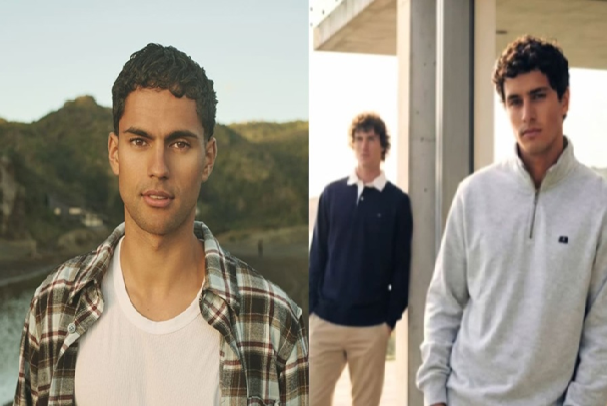
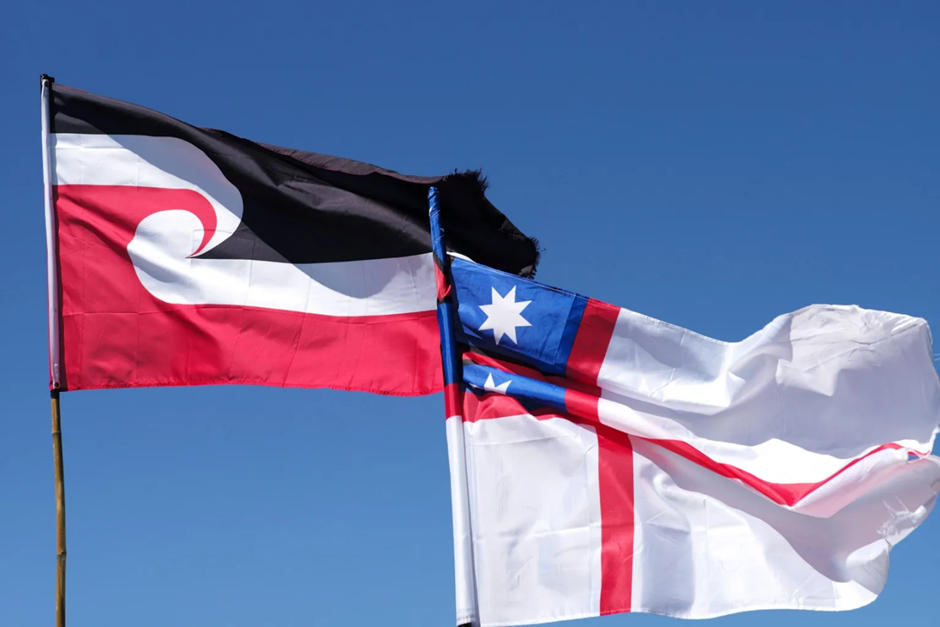
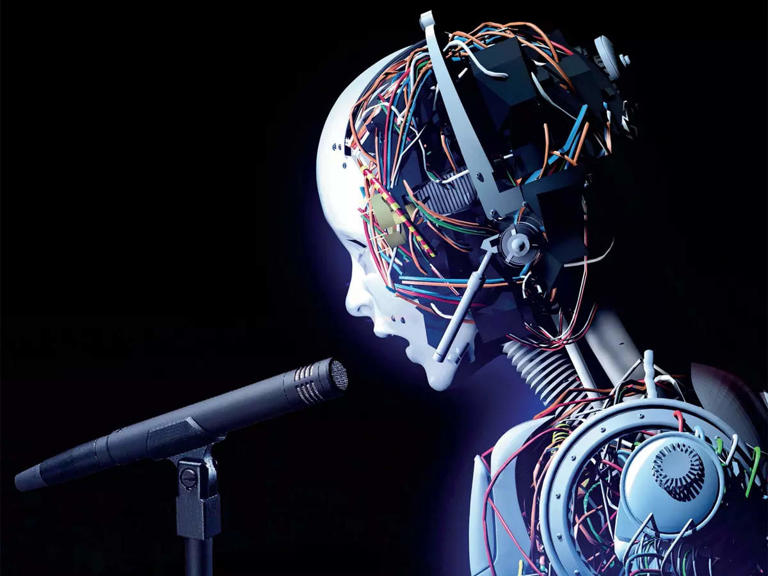
A New Zealand model Elijah Timmins-Scanlon alleges streetwear brand Huffer is generating models with AI, using the likeness of models from previous Huffer campaigns, without disclosure. Shockingly, On 6 June, Huffer wrote to him demanding he “immediately remove, or amend” posts it claimed may breach the Harmful Digital Communications Act 2015 and asserted a right to lay complaints with Netsafe and the Police.
This appears to be a form of corporate bullying and could have been handled in a much more sensitive, ethical and timely fashion to avoid brand damage.
Te Hapori Matihiko have a great introduction video on LinkedIn below. My following commentary is in addition to the video.
In tikanga Māori, a person’s captured image such as a photo carries a spiritual connection to the person and their current, past and future relations, it was taken from. This is why, long before the Internet and AI, Māori communities raised and still do, concerns about photographs and in particular photos of the deceased, about facial recognition systems failing to distinguish wearers of moko kauae and mataora from unrelated individuals, and about Māori biometric data being stored offshore, beyond the reach of individual, whānau or hapū oversight.
When a model or any person’s photos becomes reference material for a generative system, the output is no longer simply a photo of a person, it is a synthetic artifact that may recombine, harm the mauri, distort or extend that person’s likeness in ways they never agreed to and may never see. For Māori, mana and whakapapa are inseparable from how a person is represented, this is the core of the harm that needs to be understood and protected.
This is why I have argued for years, in the context of digital avatars, AI action figures and other generative trends, that any engagement with image based AI must protect whakapapa, the person’s mana and adhere to Te Tiriti principles as a baseline that protects everyone more robustly than current consumer protection or contract law manages to.
For Māori models and performers, and we have previously seen this same issue play out in a number of previous cases with Māori individuals with facial moko. Several years ago at a public Te Matatini event, performers were photographed and images taken from live streaming, the images were replicated and modified in insulting ways. This raises the issue for the need for agreements around image capture and the use should explicitly address cultural protections for images of the face, moko, taonga worn, or anything carrying cultural or spiritual significance and should consider and document agreements to consider AI’s capacity to recombine and redistribute these elements. Currently in New Zealand law, you can photograph anyone in public and take copyright ownership of the image.
This is not the first time a new representational technology has reshaped how Māori are depicted for an audience that is not Māori or by standards Māori did not set.
In the nineteenth century, European artists arriving in New Zealand produced portraits and illustrations of Māori for the people in their distant homelands, colonial society, scientific institutions, collectors overseas. As art historian Leonard Bell’s work on this period documents, these images often said as much about European preconceptions as about the people depicted. Some portraitists painted the same individuals in both traditional and European dress, depending on who had commissioned the work, meaning the final image was shaped less by how a person lived, and more by what a particular audience expected to see.
The missionary period brought a related pressure on appearance and moko was frowned upon and Māori were cautioned it was evil. Successive cultural assimilation actions by parliament saw moko being outlawed and social condemnation for its wearers. The image presented of a person became something shaped by colonial expectations, not our cultural protocols.
The throughline to today is not that AI is “colonial” in some loose metaphorical sense, it is narrower than that. In both cases, a person’s image is taken and reshaped by a brush, by missionary expectations, or now by a generative model according to criteria the subject did not set and often could not see, for a purpose they did not choose. The tools have changed beyond recognition. The underlying question is who decides how a person looks in the image, that represents them to the world.
What is different now is speed and scale. A nineteenth-century portrait took weeks, maybe months before it reached a gallery. An AI-generated image can be produced in minutes and reach thousands of consumers before the person it resembles even knows it exists. If our governance frameworks could not protect agency over representation in the analogue era, and the historical record proves they did not, current frameworks are not equipped for a technology that removes the remaining friction entirely, yet, the government of the day refuse to regulate AI.
Te Tiriti o Waitangi obliges the Crown to actively protect Māori interests, including rangatiratanga over taonga including and a person’s image. As AI image generation becomes routine across advertising, local authorities, airports, retail and media; New Zealand has an opportunity to build governance that starts from this principle rather than retrofitting it after the harm has been normalised industry wide.
The Huffer case is a useful prompt for our regulators, industry bodies and brands to consider regulation and revieweing outdated legislation (Copyright Act, Harmful Digitial Communications Act, Human Rights, Bill of Rights, etc) and to consider the implication of ignoring to take action and to treat likeness as the taonga it is for everyone, and especially for those whose connection to their own image carries weight that current frameworks were never built to recognise.
Disclaimer: Featured image is “Elijah Timmins-Scanlon (left) and the image from a Huffer advert he claims is AI-generated. NewsTalkZB”
To provide the best experiences, we use technologies like cookies to store and/or access device information. Consenting to these technologies will allow us to process data such as browsing behavior or unique IDs on this site. Not consenting or withdrawing consent, may adversely affect certain features and functions.
Functional
Always active
The technical storage or access is strictly necessary for the legitimate purpose of enabling the use of a specific service explicitly requested by the subscriber or user, or for the sole purpose of carrying out the transmission of a communication over an electronic communications network.
Preferences
The technical storage or access is necessary for the legitimate purpose of storing preferences that are not requested by the subscriber or user.
Statistics
The technical storage or access that is used exclusively for statistical purposes.The technical storage or access that is used exclusively for anonymous statistical purposes. Without a subpoena, voluntary compliance on the part of your Internet Service Provider, or additional records from a third party, information stored or retrieved for this purpose alone cannot usually be used to identify you.
Marketing
The technical storage or access is required to create user profiles to send advertising, or to track the user on a website or across several websites for similar marketing purposes.