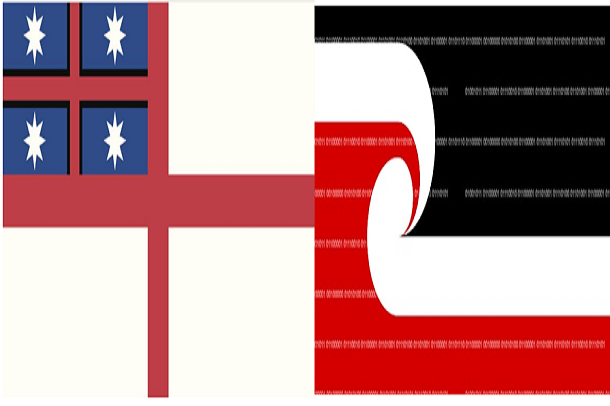
Tikanga Māori Perspectives on Forensic Data: Dr Angela Clark on Digital Governance for Tūpāpaku in Aotearoa New Zealand
Emerging forensic technologies, high-resolution imaging, 3D reconstructions, and AI-assisted analysis are rapidly changing how data from tūpāpaku (the deceased) is created, used, shared, and stored in Aotearoa New Zealand.
While these tools can improve identification outcomes and support justice processes, they also raise critical cultural, ethical, and legal questions for Māori. Issues of authority, whakapapa, tapu, and kaitiakitanga become central: who has the right to make decisions about forensic data, how should sensitive material be protected, and what does dignity mean when a person may continue to exist through multiple digital representations?
In the recorded session below, leading forensic researcher Dr Angela Clark shares early findings from a Māori-centred research programme focused on governance of forensic data relating to the deceased. Drawing on interviews with Māori experts in digital technologies alongside insights from forensic practice, Dr Clark explores how tikanga can guide responsible decision-making and how Māori data governance principles may help shape ethical, culturally grounded approaches within evolving forensic data ecosystems.
DISCLAIMER: This post is the personal opinion of Dr Karaitiana Taiuru and is not reflective of the opinions of any organisation that Dr Karaitiana Taiuru is a member of or associates with, unless explicitly stated otherwise.
To provide the best experiences, we use technologies like cookies to store and/or access device information. Consenting to these technologies will allow us to process data such as browsing behavior or unique IDs on this site. Not consenting or withdrawing consent, may adversely affect certain features and functions.
Functional
Always active
The technical storage or access is strictly necessary for the legitimate purpose of enabling the use of a specific service explicitly requested by the subscriber or user, or for the sole purpose of carrying out the transmission of a communication over an electronic communications network.
Preferences
The technical storage or access is necessary for the legitimate purpose of storing preferences that are not requested by the subscriber or user.
Statistics
The technical storage or access that is used exclusively for statistical purposes.The technical storage or access that is used exclusively for anonymous statistical purposes. Without a subpoena, voluntary compliance on the part of your Internet Service Provider, or additional records from a third party, information stored or retrieved for this purpose alone cannot usually be used to identify you.
Marketing
The technical storage or access is required to create user profiles to send advertising, or to track the user on a website or across several websites for similar marketing purposes.
Used to monitor number of Google Analytics server requests when using Google Tag Manager
1 minute
_ga_
ID used to identify users
2 years
_gid
ID used to identify users for 24 hours after last activity
24 hours
_ga
ID used to identify users
2 years
_gali
Used by Google Analytics to determine which links on a page are being clicked
30 seconds
__utmx
Used to determine whether a user is included in an A / B or Multivariate test.
18 months
__utmz
Contains information about the traffic source or campaign that directed user to the website. The cookie is set when the GA.js javascript is loaded and updated when data is sent to the Google Anaytics server
6 months after last activity
__utmv
Contains custom information set by the web developer via the _setCustomVar method in Google Analytics. This cookie is updated every time new data is sent to the Google Analytics server.
2 years after last activity
__utmc
Used only with old Urchin versions of Google Analytics and not with GA.js. Was used to distinguish between new sessions and visits at the end of a session.
End of session (browser)
__utmb
Used to distinguish new sessions and visits. This cookie is set when the GA.js javascript library is loaded and there is no existing __utmb cookie. The cookie is updated every time data is sent to the Google Analytics server.
30 minutes after last activity
__utma
ID used to identify users and sessions
2 years after last activity
__utmt
Used to monitor number of Google Analytics server requests
10 minutes
_gac_
Contains information related to marketing campaigns of the user. These are shared with Google AdWords / Google Ads when the Google Ads and Google Analytics accounts are linked together.