Principles for Digital Identity
Introduction Digital identity in New Zealand (DIiNZ) must recognise that Māori identity is not only an attribute of an individual account, but also relational, collective, and grounded in whakapapa, whānau, hapū, iwi, whenua and other traditional collective identity mechanisms. Most digital identity systems begin from a different assumption, that one person, one account, verified by … Read more

Deep fake harms real scenario and new legislation

Person with a device taking a photo

Too often in New Zealand, AI safety folk (who usually have a high level of privilege or are detached from vulnerable communities), will reference international AI stories highlighting harms while being oblivious to local harm stories. This is important from the perspective that New Zealand is not immune from AI harms and it helps politicians … Read more

Tikanga AI images of a person

Three male models looking at the camera

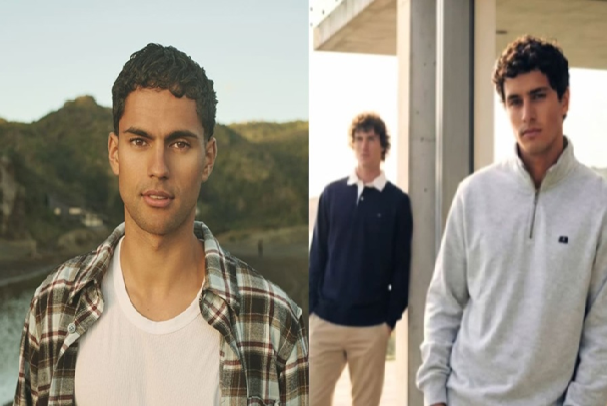
A New Zealand model Elijah Timmins-Scanlon alleges streetwear brand Huffer is generating models with AI, using the likeness of models from previous Huffer campaigns, without disclosure. Shockingly, On 6 June, Huffer wrote to him demanding he “immediately remove, or amend” posts it claimed may breach the Harmful Digital Communications Act 2015  and asserted a right … Read more

AI Agents and Legal Personhood in New Zealand

In this article I extend my earlier analysis of Māori cultural perspectives on AI sentience and legal personhood to the specific and urgent case of agentic AI systems, those capable of autonomous, persistent, goal directed action across digital environments. I argue that Mead’s tikanga Māori framework that I have previously applied to static AI models … Read more

Google DeepMind hires ‘philosopher’

AI machine sentience

As AI systems grow more capable, companies appear increasingly willing to look beyond traditional engineering disciplines for guidance on questions that touch on consciousness, identity and what it means to interact meaningfully with a machine. On 13 April 2026, Google DeepMind announced it had hired philosopher Henry Shevlin to study machine consciousness, human AI relationships, … Read more

Personal Māori Data Sovereignty

Data Leakage

I am often asked by individuals how they can better implement Data and Digital Sovereignty in their home and whānau lives. Here are some immediate steps you can take that will protect your privacy and save you money. Primary audience is non-technically literate people using a Windows computer, who want to save money and increase … Read more

AI Bias with Māori in Job Interviews

The past few days we are hearing about AI and recruitment issues with you a young man who faced bias. I am increasingly concerned that the media is not giving Māori any consideration with their AI bias stories, relying on academics for opinions and for them to talk about us like we are not capable … Read more

Meta’s Digital Ghost Patent

digitalghost

Meta’s Digital Ghost Patent: A Te Ao Māori Analysis   IMPORTANT NOTICE FOR FACEBOOK AND META USERS On 30 December 2025, Meta was granted a United States patent that would allow its platforms to use Artificial Intelligence to construct a digital simulation of you, trained on your posts, messages, voice recordings, browsing history, and purchases and … Read more

Facial Recognition, Algorithmic Bias, and Compounded Harm to Māori and Pacific Communities

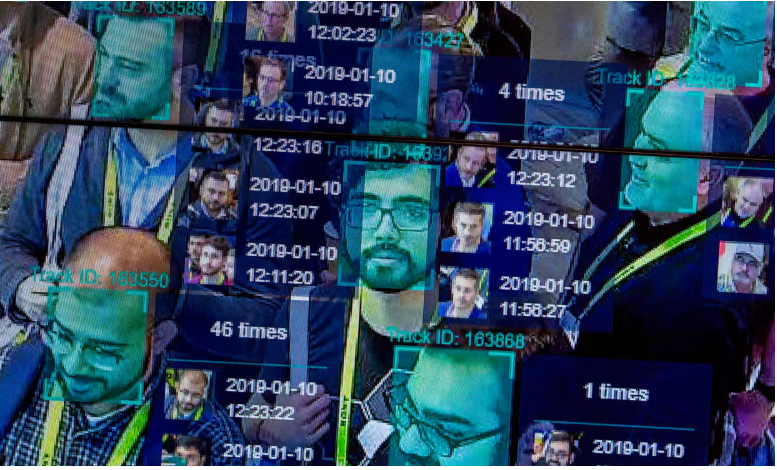
A new paper I’ve written looks at Foodstuffs South Island’s facial recognition trial in Christchurch and raises serious questions about who bears the risk. The three trial stores sit in suburbs where Māori and Pacific populations are well below the city average. The stores excluded from the trial are in the suburbs with the highest … Read more

Autonomous AI Governance Guidance for New Zealand Organisations

This document provides governance guidance for New Zealand organisations considering the deployment of autonomous AI agents. It is not legal advice. It is written by a practitioner with governance experience in New Zealand and expertise in international AI governance. Autonomous AI agents such as OpenClaw represent a material shift in organisational risk. Unlike conventional AI, … Read more

Māori Forensic Deceased Data

icon

Tikanga Māori Perspectives on Forensic Data: Dr Angela Clark on Digital Governance for Tūpāpaku in Aotearoa New Zealand Emerging forensic technologies, high-resolution imaging, 3D reconstructions, and AI-assisted analysis are rapidly changing how data from tūpāpaku (the deceased) is created, used, shared, and stored in Aotearoa New Zealand. While these tools can improve identification outcomes and … Read more

Māori views of Digital Credentials

In New Zealand, a digital credential is a secure, digital version of something that proves who you are or what you’re entitled to, for example your identity, age, or role in a business that you can store in a wallet style phone or device app and present online or in person. This includes your digital … Read more

Risks of AI Agents to Māori

UNESCO/AIGeneratedAttribution 4.0 International (CC BY 4.0)

AI Agents are to Māori what Captain Cook and his Endeavour Ship and crew were. If Māori understood the challenges and intergenerational colonisation they were capable of, the historical outcomes would be very different. Artificial Intelligence (AI) agents are rapidly becoming autonomous actors within social, economic, and governmental systems. For Māori, these agents introduce new … Read more

AI and Pepeha

Cam River

After generations of successful assimilation of Māori culture by governments including Native Schools, Tohunga Suppression Act, The Hunn Report, etc, many Māori were left without knowing their identity. There has been an increasing trend for those Māori individuals to reclaim back that knowledge. For many people, they are disconnected from their families and communities, so … Read more

AI Facial Detection Technology miss-identified 3 Māori men

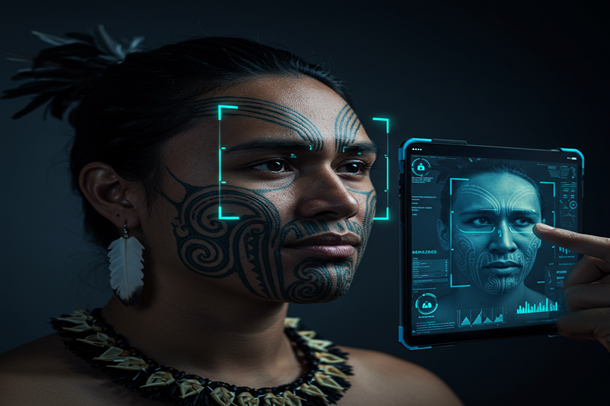
Maori man being analysed with FRT

Google AI search that uses Face Detection Technology miss-identified me and two other Māori men by interchanging images and representing the other men as me. Māori Data Sovereignty Principles could have protected us. The other Māori men are: Brian Dickey KC of Waikato-Tainui (Ngāti Maahanga), Kingi Snelgar (Ngāpuhi, Ngāti Whakaue, Te Whakatōhea and Ngāi Tahu) … Read more

Customary Māori Values and Copyright Legislation for Facial Recognition Technology (FRT)

copyright symbol, facial recognition and one a light brown skinned face

For many years, I have written about Māori data sovereignty principles and the risks that Māori and other minority communities are confronted with from emerging digital technologies. In particular: deepfakes, cultural appropriation (such as the misuse of moko), voice cloning, and biased facial recognition systems. These technologies raise significant concerns, including identity theft, fake pornography, … Read more

Risks of AI Action Figure Trend

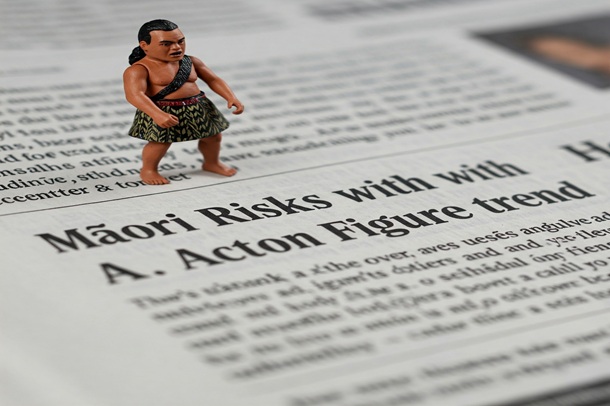
The AI action figure trend, where users generate personalised or stylised figures using AI tools (like custom avatars, toy-like images, or even physical 3D printed models based on AI renderings) carries several risks, particularly around privacy, ethics, cultural appropriation, and deepfake potential. From a Māori perspective, the AI action figure trend presents serious risks associated … Read more

Introduction to Facial Recognition bias

Maori man being analysed with FRT

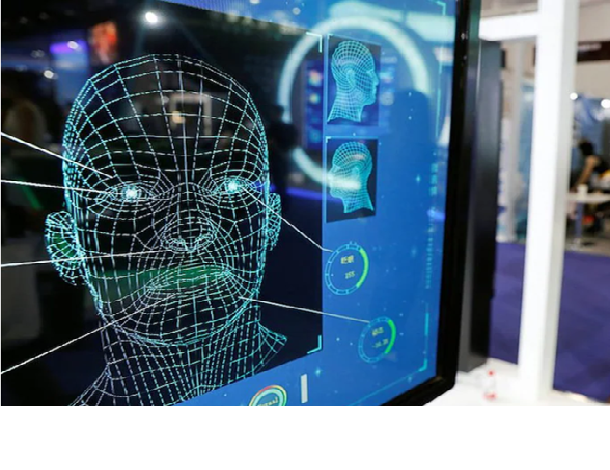
Now, more than ever, it is important to learn the basics of Facial Recognition Technology (FRT) bias and the impacts on Māori communities, including the need to recognise Māori data sovereignty Principles. Recent developments include: New Zealand considering Facial Recognition Technology (FRT) for retail stores with an advisory panel of no Māori, AI drones for … Read more