APA Referencing AI outputs

bground

APA Referencing and whakapapa for Generative AI Recording the whakapapa of how you have used Generative AI is often seen as essential for academic research, and from a Te Ao Māori perspective it recognises the whakapapa of the content you are writing about. In a spread sheet or a journal use the following headings and … Read more

One meeting is not a Māori mandate on AI

AI machine sentience

Note: This article was first prepared for offline presentations when the reports it discusses were released. It has since been updated and published online on the date shown. In July 2024, the Minister of Science, Innovation and Technology published the Cabinet paper Approach to work on Artificial Intelligence, which set out the Government’s “light-touch, proportionate … Read more

Rangatahi Māori concerned with lack of AI training

Three people looking at their devices. One is distressed.

Te Ao Māori news poll show rangatahi Māori have concerns at the lack of AI training opportunities and are aware of the short term future risks with employment and culture. The poll should be a wake-up call. When nearly six in ten rangatahi are telling us the Government isn’t doing enough, it is a policy … Read more

AI Bias, Māori Data Sovereignty & AI Governance Glossary

AI machine sentience

This glossary provides plain-language definitions of key terms in Māori data sovereignty, data residency, AI governance, AI bias, algorithmic lookism, and facial recognition technology (FRT) bias in Aotearoa New Zealand. It is informed by the Waitangi Tribunal’s Wai 2252 report and Taiuru & Associates’ work on Māori AI, data sovereignty, and technology governance. Wai 2252 … Read more

Indigenous Legal Knowledge and the Future of Legal Scholarship

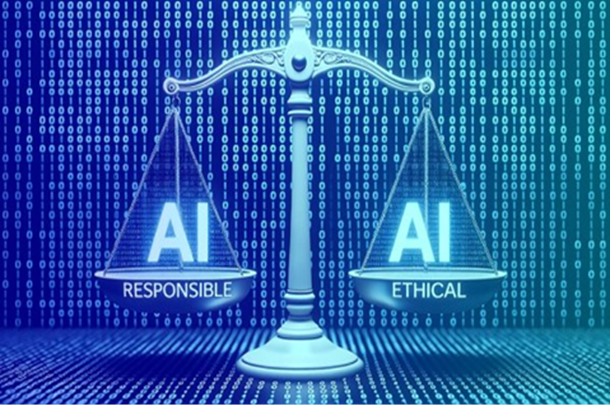
Scale of justice with AI on each side and binary in the background.

This is a copy of a post I wrote for Verfassungsblog Symposium in the series Thinking Machines, Thinking Lawyers. The title is “What AI Cannot See; Indigenous Legal Knowledge and the Future of Legal Scholarship”. The original article and credits are here. Background In the article I ask whose law AI systems know. Large language … Read more

NZ media coverage of AI and Māori

UNESCO AIGeneratedAttribution 4.0 International (CC BY 4.0)

Māori are named in only about a third of New Zealand news stories about Artificial Intelligence (AI). Māori are talked about, but rarely heard. When you count who is quoted, Māori technology, rights and data sovereignty voices make up just 3% of media articles. This creates an issue where Māori societal harms, opportunities and benefits … Read more

Social Licence and Te Tiriti o Waitangi

People at a desk with computers talking

What is a social licence? A social licence to operate (SLO) is the ongoing acceptance or approval that an organisation receives from communities and other groups affected by its activities. It is different from formal legal permission. A social licence reflects trust and credibility built through responsible practices, ethical behaviour and meaningful engagement. The idea … Read more

NZ racist AI generated ad

Clip from the advert depicting a man in a headlock

Voyager Broadband‘s (Actrix Networks, 1st Domains / Affordable Domains / Register Direct) latest advertisement (via RNZ) shows two Māori/Pacific men, one of whom is attacking a Pākehā man by having him in a chocker hold on the floor, after their internet drops out during a UFC match on the television. The advert was made with … Read more

Govt AI Framework

ai ethcs nz

CASE STUDY –The need for Māori Expertise in AI Governance and Policy and Frameworks. In May 2026 the Ministry for Regulation published guidance on the use of Artificial Intelligence (AI) in regulatory practice Practical steps for regulators leading AI innovation with confidence. This case study is based on Version 1 of that document. The guidance … Read more

Māori led framework for data centre development

data centre

This article explores a proposed Māori led framework for datacentre development. Using a Māori owned and developed framework using environmental protections that are interwoven in tikanga Māori that respect and utilise the New Zealand environment. It argues that by doing so, New Zealand could sustainably cater to the development of AI and Data centres. This … Read more

Māori Data Sovereignty preferences in GenAI

AI-Wairua

This post analyses public preferences of the use of GenAI in the policy decision-making process across New Zealand and compares non-New Zealand Māori to other New Zealand’s preferences. The methodology is at the end of the article. Public preferences of the use of GenAI in the policy decision-making process across New Zealand. Each column is … Read more

Tikanga Māori with Smart glasses

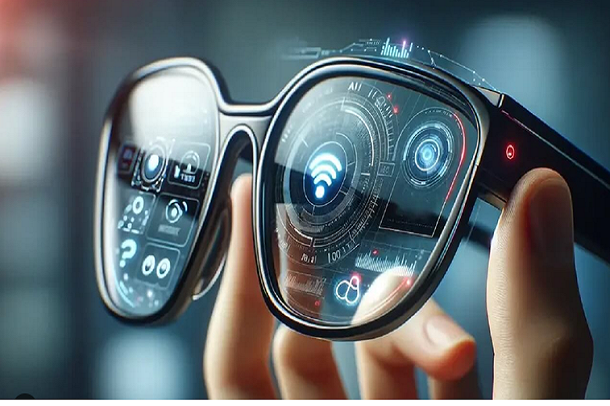
Smart Glasses

There is an urgent need for marae to implement new kawa and tikanga to protect the people form anonymously being AI’s training data. Camera glasses (pervert glasses) now sold at Kmart for ninety-nine dollars, and other more expensive glasses with facial recognition updates, recording video and stills, wired to an AI assistant are about to … Read more

Record of stolen Māori Knowledge by AI

Scraped

My ongoing investigation of scraped and stolen Māori knowledge by AI has identified more than 80 Māori authors, 8 non Māori kaupapa Māori authors (194 plus titles) and song artists; 100’s of videos from Te Karere TVNZ and Marae TV sourced primarily from YouTube, Māori academics articles published in Elsevier and JSTOR, including texts from … Read more

Māori Data Sovereignty Operationalised with Google Maps

Google maps logo

This week Google Maps began rolling out a New Zealand voice that pronounces te reo Māori place names correctly. Place name Whangārei with the soft “f” sound from an New Zealand dialect, Taupō with the long vowel, Karangahape Road spoken as it was named by our tūpuna, not as decades of navigation systems and generations … Read more

Deep fake harms real scenario and new legislation

Person with a device taking a photo

Too often in New Zealand, AI safety folk (who usually have a high level of privilege or are detached from vulnerable communities), will reference international AI stories highlighting harms while being oblivious to local harm stories. This is important from the perspective that New Zealand is not immune from AI harms and it helps politicians … Read more

Tikanga AI images of a person

Three male models looking at the camera

A New Zealand model Elijah Timmins-Scanlon alleges streetwear brand Huffer is generating models with AI, using the likeness of models from previous Huffer campaigns, without disclosure. Shockingly, On 6 June, Huffer wrote to him demanding he “immediately remove, or amend” posts it claimed may breach the Harmful Digital Communications Act 2015  and asserted a right … Read more

Māori Data Sovereignty and the Fragility of Borrowed AI

padlock

Anthropic the company behind the Claude AI received with no warning or explanation, a directive directing them to immediately suspend access to their Fable 5 and Mythos 5 models for all foreign nationals in America and all non-Americans on the planet, . This included New Zealand who had access for several days prior. “Fable 5 … Read more

Human Oversight in Automated Decision Making

Robot at a computer monitor in a dark room.

The New Zealand media continue to report on AI harms from a western, academic, middle-class perspective while continuing to make invisible communities silent and ignored. This is a te ao Māori perspective of the recent MSD automated Decision Making law that was passed, delving deep into community harms for Māori. I have spent years documenting … Read more