Briscoes and Rebel Sport FRT with no visible Māori consultation
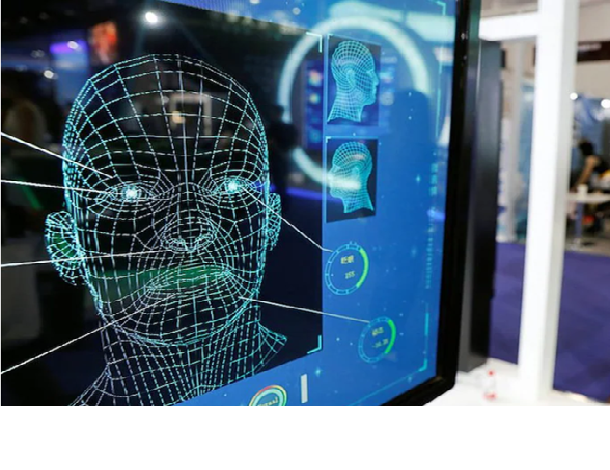
As facial recognition technology (FRT) is gradually being implemented across New Zealand’s retail landscape, a troubling gap has emerged in how one of the country’s major retailers is handling its rollout and ignoring Māori Data Sovereignty Principles. With only internal notices, Briscoes Group operator of Briscoes Homeware and Rebel Sport has been trialling FRT across … Read more

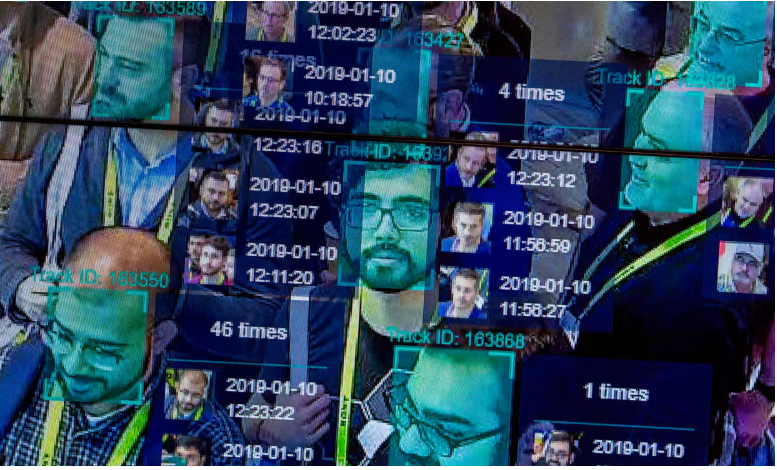
Facial Recognition, Algorithmic Bias, and Compounded Harm to Māori and Pacific Communities

A new paper I’ve written looks at Foodstuffs South Island’s facial recognition trial in Christchurch and raises serious questions about who bears the risk. The three trial stores sit in suburbs where Māori and Pacific populations are well below the city average. The stores excluded from the trial are in the suburbs with the highest … Read more

AI blackface – Is te ao Māori next?

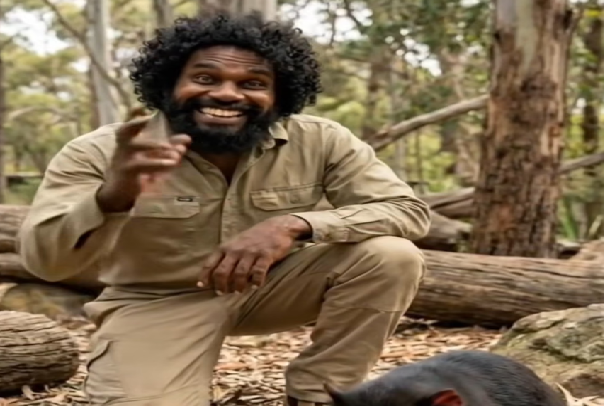
First Nations man in the forest in Australia.

A social media wildlife expert called a First Nations version of Steve Irwin drew a large following that The Guardian exposed the account as an AI-generated character. A South African content creator reportedly ran the operation from New Zealand. Indigenous experts have described the account as AI and digital blackface: modern racial impersonation that simulates … Read more

AI Facial Detection Technology miss-identified 3 Māori men

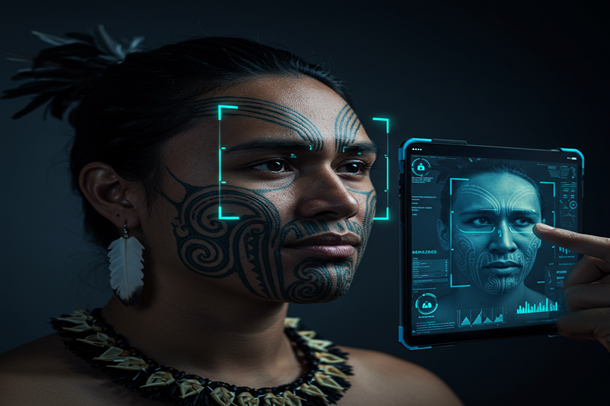
Maori man being analysed with FRT

Google AI search that uses Face Detection Technology miss-identified me and two other Māori men by interchanging images and representing the other men as me. Māori Data Sovereignty Principles could have protected us. The other Māori men are: Brian Dickey KC of Waikato-Tainui (Ngāti Maahanga), Kingi Snelgar (Ngāpuhi, Ngāti Whakaue, Te Whakatōhea and Ngāi Tahu) … Read more

Customary Māori Values and Copyright Legislation for Facial Recognition Technology (FRT)

copyright symbol, facial recognition and one a light brown skinned face

For many years, I have written about Māori data sovereignty principles and the risks that Māori and other minority communities are confronted with from emerging digital technologies. In particular: deepfakes, cultural appropriation (such as the misuse of moko), voice cloning, and biased facial recognition systems. These technologies raise significant concerns, including identity theft, fake pornography, … Read more

Māori stats re AI, FRT and Privacy

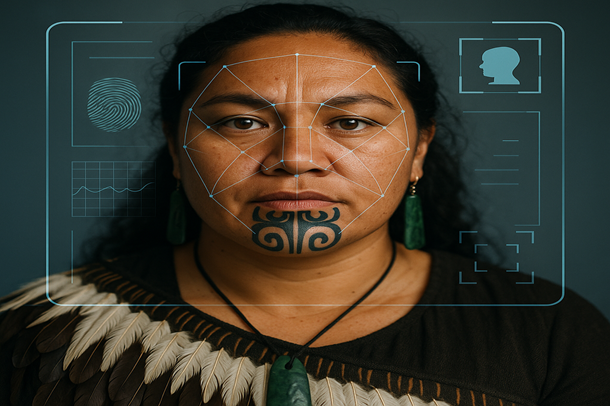
Māori women with a moko kauae and FRT symbols in the background.

The latest research by the Privacy Commission “Research on Privacy Concerns and Use of Personal Information March 2025” has a significant focus on Māori Data Sovereignty views which is welcomed.  There is a concentration on Facial Recognition Technologies (FRT) reinforcing well established facts. The limited AI questions could have been more extensive, and should have … Read more

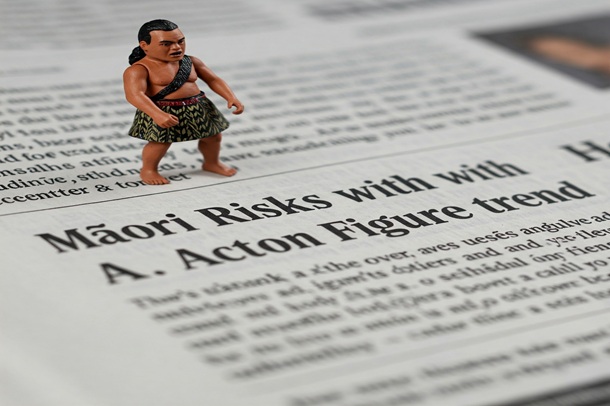
Risks of AI Action Figure Trend

The AI action figure trend, where users generate personalised or stylised figures using AI tools (like custom avatars, toy-like images, or even physical 3D printed models based on AI renderings) carries several risks, particularly around privacy, ethics, cultural appropriation, and deepfake potential. From a Māori perspective, the AI action figure trend presents serious risks associated … Read more