There is an urgent need for marae to implement new kawa and tikanga to protect the people form anonymously being AI’s training data.
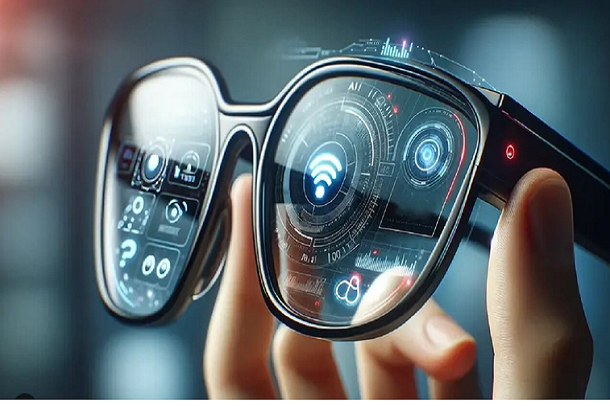
Camera glasses (pervert glasses) now sold at Kmart for ninety-nine dollars, and other more expensive glasses with facial recognition updates, recording video and stills, wired to an AI assistant are about to be worn onto marae by people who may mean no harm and who have no idea what tikanga they are breaching.
Three of my colleagues Jahminique Grace-whitehead, Cassandra Mudgway and Vivian Chandra have promoted the risks to women and children, this article adds to those risks.
Marae
A device worn on the face doesn’t understand any tikanga, and neither, usually, does the person wearing it. It can record the karanga as data, matche a voice and face to a person and create a database of the person, transcribe the whaikōrero and translate it, extract the whakapapa out of the mouth that is entitled to speak it and drop it into a system running on a server on the other side of the world.
In tikanga terms, it collapses the very distinction between tapu and noa, between who may hold this kōrero and who may not, that the entire ritual exists to protect.
Tangihanga is arguably where the harm is deepest. Here the tapu is at its most intense, the tūpāpaku, the whānau pani, the kōrero shared on the settled understanding that it stays within the whare. Tangihanga is the heart of our tikanga around death, and it depends utterly on the safety of that enclosed space.
Now imagine a face-worn camera running facial recognition across the paepae, over the whānau on the last night. It builds an attendance record of a whānau at the most vulnerable moment of their lives.
Imagine the tūpāpaku captured to a cloud service, or the image of a grieving mokopuna fed into a model’s training data. In tikanga, some things once breached cannot be made right and this is one of them. You cannot lift a violation of tapu off a server the way you delete a file. Biometric data, once taken, cannot be reissued.
A moko kanohi, a taonga that carries the wearer’s lines, their iwi and hapū, their stories and their standing, it is deeply tapu. When a camera captures a moko kanohi, it does not photograph a pattern; it extracts a person’s whakapapa off their face or body and turns it into data. Moko kanohi is the kind of image these AI systems are built to fix on, a distinctive face, ready to be matched, indexed, and re-identified wherever it appears again.
Any person who has carried their moko with dignity can be enrolled, without a word of consent, into a facial-recognition system owned by a company on the other side of the world and used for training data or marketing among many other things.
In our wharenui, the photographs of our tūpuna line the walls of those who have passed, watching over the people who gather beneath them. Those images are tapu and are visited, spoken to, wept over. A face-worn camera panning across the whare captures every one of them, and modern systems will just as readily run recognition across a photograph of the dead as across the face of the living.
Again, system can build profiles of individuals and their deceased whānau can be scraped into a database or a training set. Maybe those individuals will be targeted for relevant advertising for a grieving person or images of the deceased will appear in online advertising?
In the old harm, a person filmed something and it sat on a tape. Today, whatever these glasses capture can be online in seconds, live-streamed, posted, shared beyond any recall. A karanga, a tangi, a moko kanohi, a wall of tūpuna can be pushed onto a platform and copied a thousand times before anyone on the marae even knows a recording was made. Once it is out there, it is gone: no takedown request truly retrieves it, no apology restores the tapu, and every copy can be fed into another system to train another model.
The wharekai is noa, relaxed, warm, the place where the formality of the hui/wānanga breaks the tapu (whakanoa) on the person, it gives way to shared food and honest talk. It is because it is noa that people speak freely there, off the record, in ways that hold the marae together. An always-on camera in the wharekai doesn’t just record words; it makes them a a published speech for anyone to listen to and read.
On the marae, the right to permit a recording was never a single person’s to give. A manuhiri saying “I’m happy to be filmed” cannot authorise the capture of a karanga, or another whānau’s whakapapa, or a tangi, because that person never held authority over those taonga in the first place. The mana to consent sits with the collective, exercised through those who carry it for the marae.
Wānanga carry the opposite risk. There, mātauranga is passed deliberately to particular people with obligations attached to the receiving. That is how our knowledge has always been protected, by binding it to relationships and responsibilities.
Legislation versus tikanga
The Biometric Processing Privacy Code now requires that biometric processing be necessary, effective, and proportionate. The new IPP3A strengthens the duty to tell people their information is being collected. But it has a gaps.
The Code does not relate to personal consumer devices like wearable glasses, or purely personal activity such as on a marae. So, the individual guest at a tangi wearing ninety-nine-dollar glasses may fall outside it altogether.
With the technology now this cheap and this common, that wearer is the ordinary case, not the exception, and Kmart and other providers answer, that it trusts customers to behave lawfully, simply hands the whole weight of protection to the goodwill of the person behind the lens.
Privacy instruments weigh privacy in a generic, individual frame; they do not recognise the marae as a place where the hapū holds authority to permit or refuse capture at all.
Our tikanga is a living, practical law, and it gives us clear ways to make our people safe without leaning on the goodwill of whoever happens to be wearing a camera.
Marae need to make the kawa explicit and state plainly that recording and wearable devices, head-worn cameras included, anything with a camera or on-board processing included are not to capture pōwhiri, karanga, whaikōrero, tangihanga, or wānanga, etc without the express authority of the people of the marae. Say it in the pōwhiri and wero so it reaches manuhiri as they are welcomed, as a condition of manaakitanga. Add signage that is clear for manuhiri to see. This is not a new kaupapa with many marae over the years banning smoking, drugs and alcohol among other socially harmful activities.
Conclusion
The glasses are cheap now, and they are here. I don’t dismiss what they can do for a blind or low-vision whanaunga, glasses that read a sign aloud while the hands stay free for a cane are a real gift, and tikanga has always made room for manaakitanga toward those who need it. But a use that serves in one place does not license capture in every place.
Our safety will come from doing what our tīpuna have always done: keeping authority over our taonga in the hands of those to whom it belongs, and welcoming manuhiri in on that understanding.