NZ Government Facial Recognition Technology
frt2

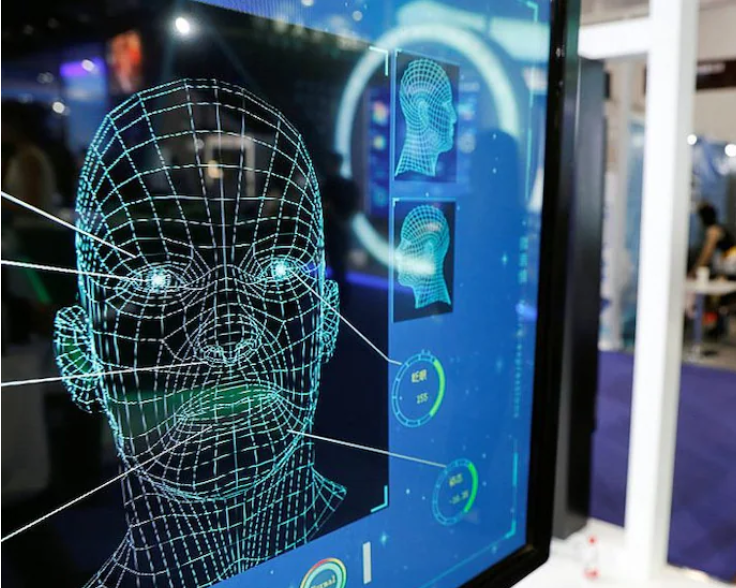
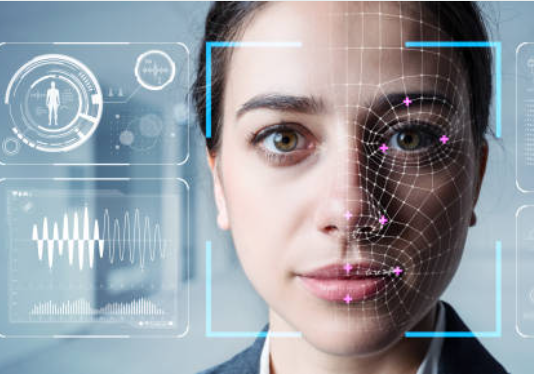
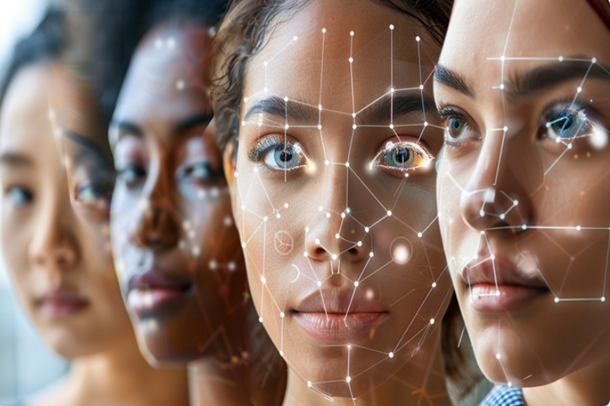
We use our image of our face as a modern-day password for many things including mobile banking, unlocking our phones, X (formerly Twitter), Firefox Klar and an ever-increasing number of other online services. For law enforcement agencies and retail security, Facial Recognition Technology (FRT) systems are used to decide many factors including who becomes a suspect … Read more
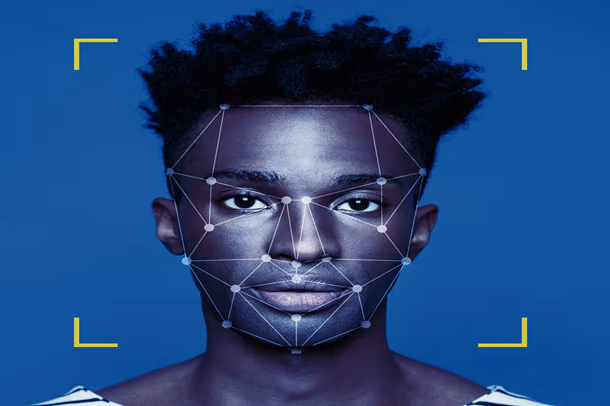
Facial Recognition trial report obfuscates risks to Māori

FRT

The New Zealand Department of Internal Affairs (DIA), commissioned an independent Facial Recognition Trial of their Identity Check system using DIA passport face images to test against. Overall, Māori data sovereignty principles were vacant. Buried in the report was high probability of bias against Māori. DIA now say they will further test after asked by … Read more

Inconsistencies with Facial Recognition Trial

FRT

Foodstuffs North Island (FSNI) controversially started a Facial Recognition Trial in their stores to provide more protection to their staff. There are mountains of research and cases of innocent people of colour being falsely identified by Facial Recognition Technologies, false arrests, being identified as gorillas etc. There is also a need for recognition of Māori … Read more

Te Ao Māori perspective of Privacy with DNA

dna

Many Māori and others have submitted the DNA samples via web sites such as Ancestory.com and 23andMe to ascertain their whakapapa, many without realising the cultural and privacy issues of doing so. Most often, you are giving away your rights to your own DNA that has all of your information about you and your ancestors. From … Read more

First Māori woman victim in facial recognition trial in a month

Only 5 weeks ago I warned Facial Recognition Technology bias in the Foodstuffs trial was technically likely and not a matter of if, but when and that Māori women would likely be discriminated against. That same week Māori Television first reported “Māori women and women of colour will be targeted’ in Foodstuffs’ facial recognition trial … Read more

Facial Recognition and Artificial Intelligence Profiling

This article was originally commissioned by Ngā Toki Whakarururanga for a general audience. For a Te Ao Māori perspective, refer to my 2020 article Māori Cultural considerations with Facial Recognition Technology in New Zealand. Since the news attention in February 2024 that Foodstuffs North Island Limited‘s New World and PAK’nSAVE is trailing Facial Recognition Technology … Read more

Māori being used as ‘guinea pigs’ for facial recognition tech by MSD

This post elaborates on my RNZ interview about the Ministry of Social Development (MSD) rolling out Facial Recognition Technology for beneficiaries to self-identity online without the need to visit a MSD office, despite the well documented racism and bias of the systems. The Ministry of Social Development’s decision is lacking a privacy, human rights, and … Read more

The NZ Supreme Court Judgement and the impacts to Māori Data Sovereignty

Coat_of_arms_of_New_Zealand

This is an opinion piece as a Tikanga practitioner and Māori Data expert who is not a lawyer and has no formal legal training. The recent Supreme Court judgement recognises Tikanga Māori is common law and applicable in the legal system. This gives further impact and recognition to the legal status of Māori Data Sovereignty … Read more

Tikanga Tawhito Tikanga Hou

As opposed to conforming to Eurocentric values and academic comfort levels, this guideline is the first published bioethics guideline encapsulating traditional and modern mātauranga Māori, to explore ethical research & storage of Māori genetic samples. This is the complete guideline with the ISBN: 978-0-9582597-8-1.   Similar to the New Zealand Health system overhaul (2022) to … Read more

Tikanga Tawhito Tikanga Hou – Literature Reviews

Literature reviews of current Māori ethics and frameworks associated with research, storage and analysis of Māori DNA and biological samples

Consumer Guidelines for Māori Non Fungible Tokens

nft

As with any new technology there are positives and often more negatives for Māori and other Indigenous Peoples protecting their traditional knowledge from abuse, appropriation and theft. In the short time that Non Fungible Tokens have been created, traded and advertised online there is a large amount of cultural appropriation and stolen images being transformed … Read more

Māori Data Sovereignty and Domain Names

domain names

Can non-Māori can use the New Zealand Domain Name maori.nz? As the primary author of the application that lobbied InternetNZ to create maori.nz domain name in 2000, I say yes. Further information about Māori Data Sovereignty is in Compendium of Māori Data Sovereignty. Anyone anywhere in the world can register a maori.nz domain. But, only … Read more

Marae Data Sovereignty Data Sets

rangatiratanga

This article introduces new datasets of Marae names that will form the basis of Marae data sovereignty for database administrators that recognise Marae rights and valuable information to navigate the whole Māori Data Sovereignty landscape. The data sets are available from https://github.com/ktaiuru Introduction Marae/Rūnanga Data Sovereignty refers to the inherent rights and interests of Marae/Rūnanga … Read more

Tikanga with face swapping filters and deep fakes

Using traditional Māori knowledge, I discuss cultural appropriateness of deep fakes and face swapping filters. Some of this discussion is also applicable to Facial Recognition systems. Apart form Māori, this article may be of interest to developers and organizations with Facial Recognition Systems. It is against tikanga Māori (customary beliefs) to have your image on … Read more

Origins of the term Pākehā

The word Pākehā is a controversial word for some people. Some Māori and non Māori claim that the word Pākehā is offensive. Others have attempted to explain the word based on their own understandings and sometimes own hapū and whānau interpretations. Introduction This article provides an holistic analysis based on research from the early 18th … Read more

Tikanga about animated pictures of the dead

kawakawa

A new technological trend of animating images of people is becoming popular with images Māori tipuna and other dead people being animated for fun without knowledge of the offence to Māori, whānau, hapū and Iwi, nor the tikanga breaches. The app is called “My Heritage app”. In the past week I have seen several images … Read more