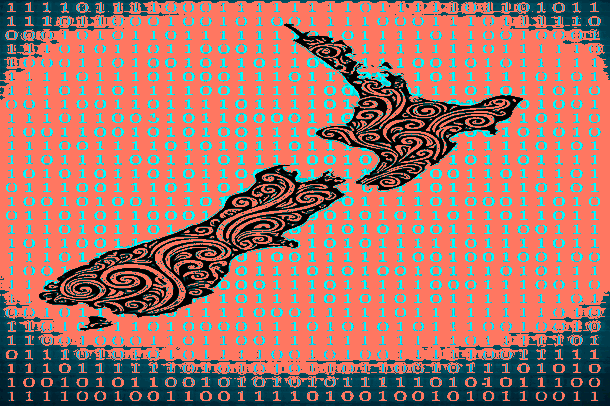
Tikanga Māori with Smart glasses

Smart Glasses

There is an urgent need for marae to implement new kawa and tikanga to protect the people form anonymously being AI’s training data. Camera glasses (pervert glasses) now sold at Kmart for ninety-nine dollars, and other more expensive glasses with facial recognition updates, recording video and stills, wired to an AI assistant are about to … Read more
AI blackface – Is te ao Māori next?

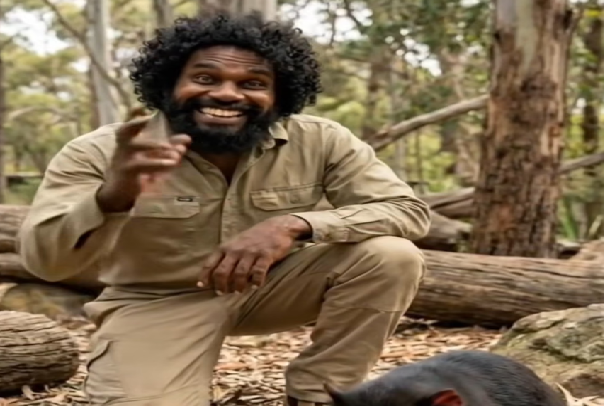
First Nations man in the forest in Australia.

A social media wildlife expert called a First Nations version of Steve Irwin drew a large following that The Guardian exposed the account as an AI-generated character. A South African content creator reportedly ran the operation from New Zealand. Indigenous experts have described the account as AI and digital blackface: modern racial impersonation that simulates … Read more

Risks of AI Agents to Māori

UNESCO/AIGeneratedAttribution 4.0 International (CC BY 4.0)

AI Agents are to Māori what Captain Cook and his Endeavour Ship and crew were. If Māori understood the challenges and intergenerational colonisation they were capable of, the historical outcomes would be very different. Artificial Intelligence (AI) agents are rapidly becoming autonomous actors within social, economic, and governmental systems. For Māori, these agents introduce new … Read more

Māori Insights on Global Data Risks

Data Sovereignty is not just a Māori issue, but a global issue that New Zealand must address now. Another follow up report from my Māori Data Governance Report 2025, this article analyses corporate requirements for Data Sovereignty and the need to classify on-shore and off-shore data hosting and sovereign AI and Data centres. Corporate needs … Read more

Risks of AI Action Figure Trend

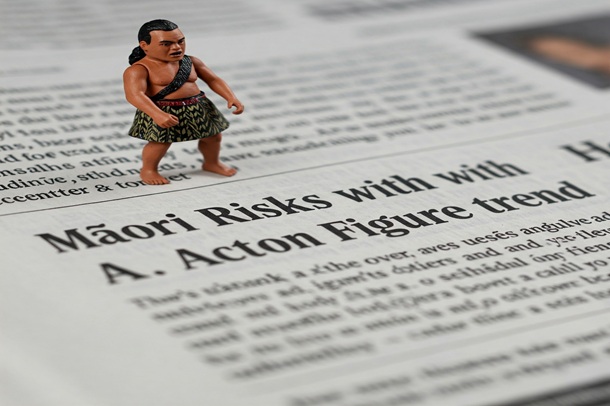
The AI action figure trend, where users generate personalised or stylised figures using AI tools (like custom avatars, toy-like images, or even physical 3D printed models based on AI renderings) carries several risks, particularly around privacy, ethics, cultural appropriation, and deepfake potential. From a Māori perspective, the AI action figure trend presents serious risks associated … Read more

Maori a popular search term with porn

cyber safety

WARNING: This article should be read by adults and in conjunction to having knowledge of the over representation of Māori victims of online sexual abuse/harassment.   Pornhub, New Zealand’s most viewed pornographic web site released its New Zealand 2022 statistics in November (Stats link page with terms that some may find offensive and likely not … Read more

Online safety research ignores Māori

cyber safety

The latest research report Global Kids Online: Digital Parenting Strategies and Behaviours of New Zealand Parents, published by NetSafe interviewed parents of children aged 9-17 about the prevalence of different practices to influence or mediate children’s internet use. Yey! Māori and Pacifika were under represented in the research, Further contributing to the increasing discrimination and … Read more

European men mostly charged under Harmful Digital Communications Act

cyber safety

In New Zealand European men aged between 20 and 39 years old are most likely to commit harmful digital acts and be charged, according to the annual statistics from the Ministry of Justice. The most likely victims of harmful digital communications are young Māori females, then Pacific and Asian females (NetSafe). Yet, Māori are more … Read more

Māori Children online safety statistics analysis

cyber safety

NetSafe released their second Ngā taiohi matihiko o Aotearoa – New Zealand Kids Online. The research analyses New Zealand children’s experiences of online risks and their perceptions of harm. Two milestones for Māori. One ‘Kia ora’ is spelled orthographically correct this time (also AirNZ has rectified this too) removing a distraction. I believe this is … Read more

Māori Internet Safety Statistics 2019

A summary of Māori Internet safety statistics taken from three NetSafe reports from 2019. Image based sexual abuse report (2019) Threatening someone with image-based sexual abuse was more common among Asian (8%) and Māori (6%) compared with other ethnic groups. Parents of NZ European/Pākehā, Māori, and Pacific children were significantly more worried about their children … Read more

Digital Threats to Democracy that impact Māori

A Law Foundation-funded report Digital Threats to Democracy, one of the most in-depth reports published locally to date on the negative side effects accompanying the rise of digital media. The report also considers Māori and Indigenous democratic issues. Again, the first time this has occurred. I have extracted key Māori views from the report which … Read more

Māori hacker retaliates against white supremacists

This is an analysis of the hacker who calls them-self “Māori” who inserted a disk wiping code into the alleged Christchurch mosques alleged shooter’s manifesto. It is not the first time we have seen a vigilante Māori hacker(s) appear from the dark and then dissapear again. The first time a Māori hacker gained international attention … Read more

Māori are still prominent victims of online bullying

Māori are still prominent victims of online bullying according to the latest research by Action Station discussing impacts and usefulness of the Harmful Digital Communications Act (HDCA) a  powerful piece of legislation that was enacted to address the issue of online abuse. However it is not sufficient to address every issue of online hate, harassment … Read more

Online Māori Scams – careful of the scuzzie

Online Māori are increasingly becoming targets of direct ethnic online scams that utilise our culture to try to take advantage of Māori. The latest scam involves someone on Facebook, Instagram, Phone message and other social media claiming to he one of the whanau, a cuzzie. The scams are sophisticated and take a bit of effort. … Read more

Young Māori favor an online pornography filter

cyber safety

An analysis of Māori data from the Office of Film and Literature Classification (OFLC) report titled “Research findings of a survey on how and why Young New Zealanders view online pornography” published in December 2018. The complete report is available from https://assets.documentcloud.org/documents/5425697/NZYouthandPorn.pdf A young person is a person aged between 14 and 17. The report … Read more

Māori Experiences of Online Hate Speech

This article extracts Māori specific information from the NetSafe report titled “Personal Experiences of Online Hate Speech and offers personal analysis of their results and my personal experience with online hate. I have critiqued the definitions used int he survey. That critique is at the end of the article. Māori appear to be statistically better off … Read more