Online Māori Scams – careful of the scuzzie

Online Māori are increasingly becoming targets of direct ethnic online scams that utilise our culture to try to take advantage of Māori. The latest scam involves someone on Facebook, Instagram, Phone message and other social media claiming to he one of the whanau, a cuzzie. The scams are sophisticated and take a bit of effort. … Read more

Data is a Taonga. A customary Māori perspective

rangatiratanga

Also see Māori Data is a Taonga Chapter Also of interest and diverse views, an interview in English with myself, Tau Henare and Ngapera Riley discussing Māori Data as a Taonga https://www.youtube.com/watch?v=57nFcXAycFg  2018 version (original) This paper has been written to fill a void of information about data being a taonga and why there are … Read more

New web could be Indigenous friendly

rangatiratanga

Sir Tim Berners-Lee, inventor of the World Wide Web, is leading the design of a new initiative called Solid. The project aims to radically change the way Web applications work today, resulting in true data ownership as well as improved privacy. Solid could have positive benefits for Indigenous Peoples of the world. The World Wide Web … Read more

Introduction to Māori Cultural Considerations with Genetics

This paper discusses the implications of traditional tikanga Māori practices with Genetic scientific research. Objectives There are four primary objectives for this research: To show a direct relationship between traditional Māori tikanga and cosmology to explain why tikanga is applicable to genomic research. To review the current guidelines for dealing with Māori and genomics. To … Read more

Artificial Intelligence and Māori

Artificial Intelligence

I was interviewed to contribute a Māori perspective to the The Artificial Intelligence Forum of New Zealand (AIFNZ) inaugural report. It appears as though only my statement was published with no acknowledgements. In the whole report Māori is only considered in the  Part Three: AI and Society, Artificial Intelligence Shaping a Future New Zealand. The … Read more

Tikanga Māori considerations with digital apps

Island Image

This analysis uses two apps offered by Te Wānanga o Aotearoa and looks at their tikanga and privacy issues. The purpose of the article is to raise awareness of traditional knowledge being used to create new ideas to attract youth Māori to new initiatives such as education and being proud to be Māori. Their third … Read more

Te reo Māori alternative for Lorem Ipsum

Lorem Ipsum reo Māori

Te Re Māori is an official language of New Zealand. It is the Indigenous language of New Zealand/Aotearoa. The use of Latin as a place holder, while an international practice, there is no reason why any Indigenous Peoples can not and should not promote their own identity with their own language. Use of te reo … Read more

Māori cultural ethical considerations in Digital Security

BSides

A presentation given to the BSidesWLG 2017 conference on Māori cultural ethical considerations in Information Security (infosec). The point of the presentation was to very broadly and at a high level touch on private and government infosec communities to raise awareness of tikanga Māori issues. The presentation is available here. BSidesWLG is a diverse and inclusive information … Read more

Digital Whakapapa and image considerations

Digitising whakapapa records and images of tipuna to be shared on the Internet is increasingly becoming common practice without any discussion about the consequences. Internet protection agencies such as NetSafe have no cultural resources to advise Maori of potential issues. Whakapapa and tipuna images including images of the dead, that are accessed via wifi Internet … Read more

Iwi Citizen or Tribal Member

The terms ‘tribal member’ and ‘hapū member’ are colonial terms with a number of detrimental connotations. Many Indigenous Peoples of the world have suffered the same fate with colonial and derogatory terms to describe them. The definition of the word ‘tribal’ includes a division of a barbarous race of people. The definition of the word … Read more

Protecting digital ancestor images

Digitising images of ancestors, taonga and places of cultural value and then sharing the image with whanau and friends on the Internet is common, as it is quick and easy to share with multiple people with just a few clicks of a button. Regularly I see ancestor images at marae being photographed on someones smart … Read more

Keyboard warrior definition

The definition of a keyboard warrior is often used by non technically literate people as a derogatory term applied to online trolls/cyberbully and people who are online activists using technology to fight and raise concerns for a cause. Warrior is a term often reserved for elite special forces, learned people of fighting arts and experts of contact sports. … Read more

2017 govt domain name update

NZGOV

New Zealand Government usage of Māori Language in domains 2017 update A number of Māori language domains are no longer used from 2013, thus heavily reducing the amount of te reo Māori used in government domain names used by the New Zealand government. Ministry of Justice kaupapature.co.nz kaupapature.org.nz maorilandcourt.govt.nz maorilandonline.co.nz maorilandonline.govt.nz maorilandonline.net.nz maorilandonline.org.nz waitangitribunal.govt.nz waitangi-tribunal.govt.nz   … Read more

Ethnographers for digital Maori world?

Elsdon Best

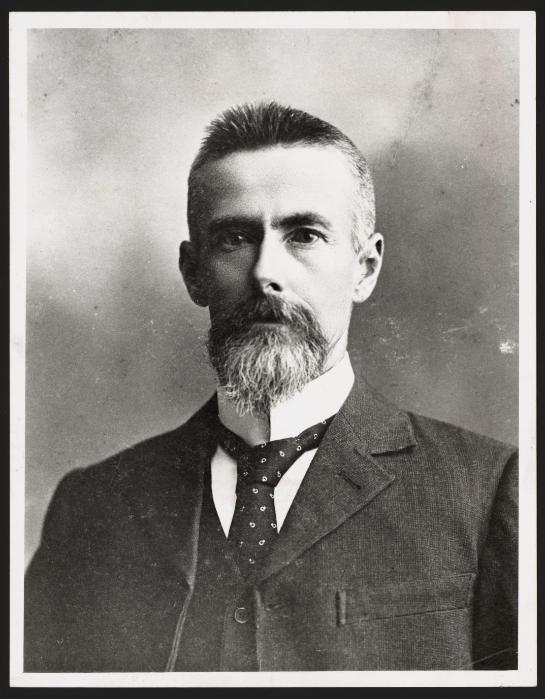
The digital age has many unknown consequences for Māori culture and history. I question if we need to be our own ethnographers in this rapidly changing digital world? Writing whakapapa or other important information for future generations in the sand at the low tide mark with no other record verbal or written is similar to writing a message on … Read more

Māori activism with Domain Name System

Maori activisim

For over 20 years up till 2017,  Māori fought for the right to be to be fairly represented in the New Zealand Internet Domain Name System and to a lesser extent for recognition within the New Zealand Internet governing body InternetNZ, in an act of Māori Internet activism. A simple right that most people take for granted. … Read more

Historical .iwi.nz criteria

iwi.nz

All historical .iwi.nz moderation policies from the original in 1997. The current policy is here. The original moderation policy was casual and was not written or published in in any formal manner until 1997. 1994 Guidelines 1997 2000 2003 2011 1994. Prior to the founding of Internet Society of New Zealand, the following guidelines were … Read more

Cultural analysis of Emotiki app and why it could be offensive

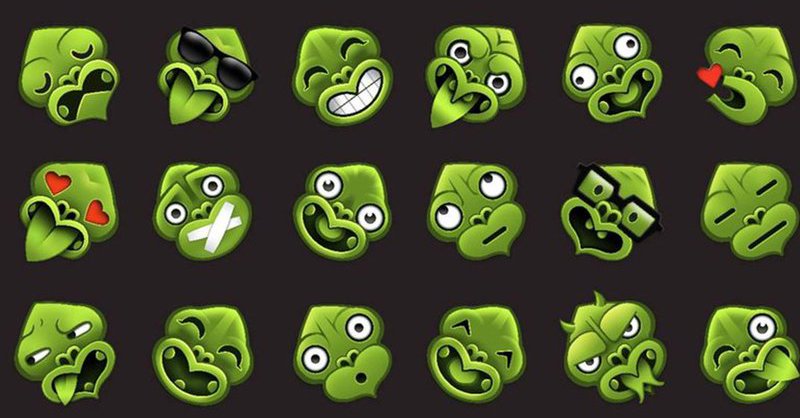
Emotiki contains a number of culturally unsafe issues: the satirical use of a Polynesian deity Tiki, Tame Iti and the use of his face and tā moko without permission (only in release 1, despite their denial to Te Kaea Maori Television, here is a live link to the web archive), several other possible ethical and tikanga issues … Read more

Digital whakapapa

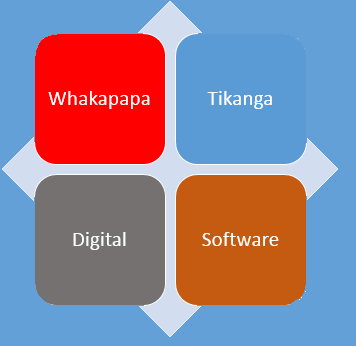
The nature of the web and digital technologies leads Māori ICT organisations, kupu hou creation, Māori related software, web sites and digital tools to by default, ignore whakapapa in the digital world. I have already spoken widely about tikanga in the digital world on my site. Māori stories from many generations ago remind us of the early … Read more