Trust, attitudes and use of AI in NZ

Gemini generated image. Prompt is create an image of artificial intelligence of ethics with different cultured people around a table.

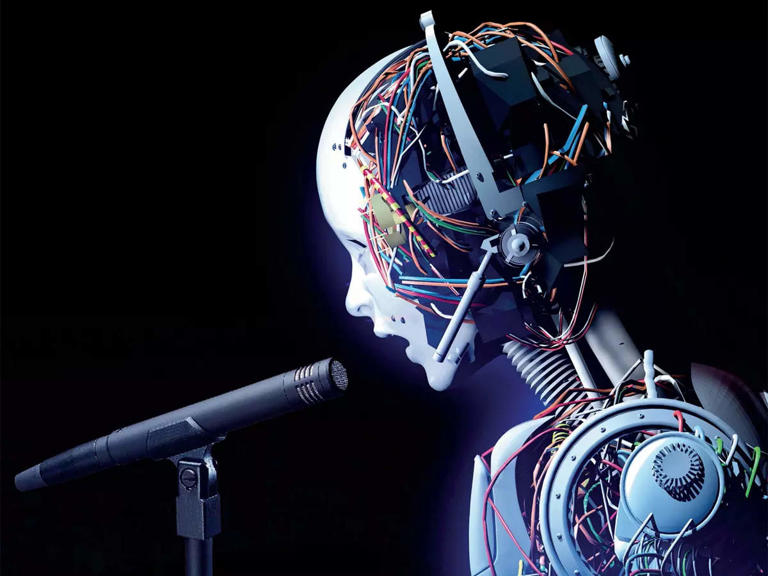
The global study titled “Trust, attitudes and use of Artificial Intelligence: A global study 2025” reveals that while a significant portion of New Zealanders regularly use AI, their trust in the technology is notably low. Concerns about risks associated with AI are prevalent. This indicates a need for improved regulation and assurance. I have taken … Read more

NZ AI Productivity Report and Māori

Karaitiana Taiuru at AI Forum launch

The Artificial Intelligence Forum of New Zealand (AI Forum) Te Kāhui Atamai Iahiko o Aotearoa, a purpose-driven, not-for-profit, non-governmental organisation (NGO) funded by members, released their second edition of it’s biannual “AI in Action report Exploring the Impact of Artificial Intelligence on New Zealand’s Productivity.” This edition also for the first time introduced a Te Ao … Read more

Cross-agency survey of use cases for Artificial Intelligence

nzgov

The Government Chief Digital Officer (GCDO) released results of the 2024 cross-agency survey of use cases for artificial intelligence (AI). The results are not surprising when read and considered in conjunction with Aotearoa New Zealand business surveys and privacy perceptions of AI by the Aotearoa New Zealand public. Of surprise though, is the guidance discriminates … Read more

Māori and First Nations Australia musicians views of Artificial Intelligence (AI)

Aumusic

New Zealand and Australian musicians were surveyed about their views of Artificial Intelligence and its impacts on their music, in addition Māori and Aboriginal and Torres Straight Islanders were segmented out creating a unique Indigenous Peoples perspective of AI and their music. The report AI and Music market development of AI in the music sector … Read more

Māori Voices in the Artificial Intelligence Landscape

maor ai voice

Māori Peoples are at the cross roads with Artificial Intelligence and other emerging technologies; We can either turn right and decolonise and empower ourselves, or turn left and have status quo with all of the negative statistics and inequities. Featured Image Credit The AI Tribe. While the world faces the rapid growth of AI technologies, … Read more

Māori Opinions and Views Framework

By Grapeman4 - Own work, CC BY-SA 3.0, https: commons.wikimedia.org w index.php?curid 20301577

This article explores why there is no ‘one Māori opinion’ and aims to dispel media and politicians comments about “Māori in fighting” use this to create further separation with Waitangi claims, iwi issues and other iwi/social issues that seem to make it to mainstream media. It is based upon Sir Mason Durie’s “Maori Health Decade … Read more

Maori a popular search term with porn

WARNING: This article should be read by adults and in conjunction to having knowledge of the over representation of Māori victims of online sexual abuse/harassment.   Pornhub, New Zealand’s most viewed pornographic web site released its New Zealand 2022 statistics in November (Stats link page with terms that some may find offensive and likely not … Read more

Online safety research ignores Māori

The latest research report Global Kids Online: Digital Parenting Strategies and Behaviours of New Zealand Parents, published by NetSafe interviewed parents of children aged 9-17 about the prevalence of different practices to influence or mediate children’s internet use. Yey! Māori and Pacifika were under represented in the research, Further contributing to the increasing discrimination and … Read more

Māori perspective to the Films, Videos, and Publications Classification Amendment Bill

Research and statistics show that Māori are more likely to see harmful material online and to be victims of online bullying. Often Māori are the primary person in harmful materials online. Statistics released by the Ministry of Justice show that the main culprits are European men. Despite these alarming facts, Māori voices or at least … Read more

European men mostly charged under Harmful Digital Communications Act

In New Zealand European men aged between 20 and 39 years old are most likely to commit harmful digital acts and be charged, according to the annual statistics from the Ministry of Justice. The most likely victims of harmful digital communications are young Māori females, then Pacific and Asian females (NetSafe). Yet, Māori are more … Read more

Māori Children online safety statistics analysis

NetSafe released their second Ngā taiohi matihiko o Aotearoa – New Zealand Kids Online. The research analyses New Zealand children’s experiences of online risks and their perceptions of harm. Two milestones for Māori. One ‘Kia ora’ is spelled orthographically correct this time (also AirNZ has rectified this too) removing a distraction. I believe this is … Read more

Māori statistics of online Hate Speech

Heading Maori

This is a summary of Māori statistics extracted from the 2019 Net Safe Hate Speech Report “Measuring trends in online hate speech victimisation and exposure, and attitudes in New Zealand.” The report explores adult New Zealanders’ personal experiences of, and exposure to, online hate speech. It was as a direct result to the March 15 … Read more

Māori children’s access to the Internet

Heading Maori

This is a summary of Māori statistics extracted from the Net Safe Report “Exploring New Zealand children’s internet access, skills and opportunities”. The research report presents findings from a study that explores New Zealand children aged between 9 and 18, their internet access, online skills, practices, and opportunities. In terms of ethnicity, the sample was … Read more

Māori Internet Safety Statistics 2019

A summary of Māori Internet safety statistics taken from three NetSafe reports from 2019. Image based sexual abuse report (2019) Threatening someone with image-based sexual abuse was more common among Asian (8%) and Māori (6%) compared with other ethnic groups. Parents of NZ European/Pākehā, Māori, and Pacific children were significantly more worried about their children … Read more

Māori are still prominent victims of online bullying

Māori are still prominent victims of online bullying according to the latest research by Action Station discussing impacts and usefulness of the Harmful Digital Communications Act (HDCA) a  powerful piece of legislation that was enacted to address the issue of online abuse. However it is not sufficient to address every issue of online hate, harassment … Read more

Young Māori favor an online pornography filter

Heading Maori

An analysis of Māori data from the Office of Film and Literature Classification (OFLC) report titled “Research findings of a survey on how and why Young New Zealanders view online pornography” published in December 2018. The complete report is available from https://assets.documentcloud.org/documents/5425697/NZYouthandPorn.pdf A young person is a person aged between 14 and 17. The report … Read more

Māori Experiences of Online Hate Speech

This article extracts Māori specific information from the NetSafe report titled “Personal Experiences of Online Hate Speech and offers personal analysis of their results and my personal experience with online hate. I have critiqued the definitions used int he survey. That critique is at the end of the article. Māori appear to be statistically better off … Read more