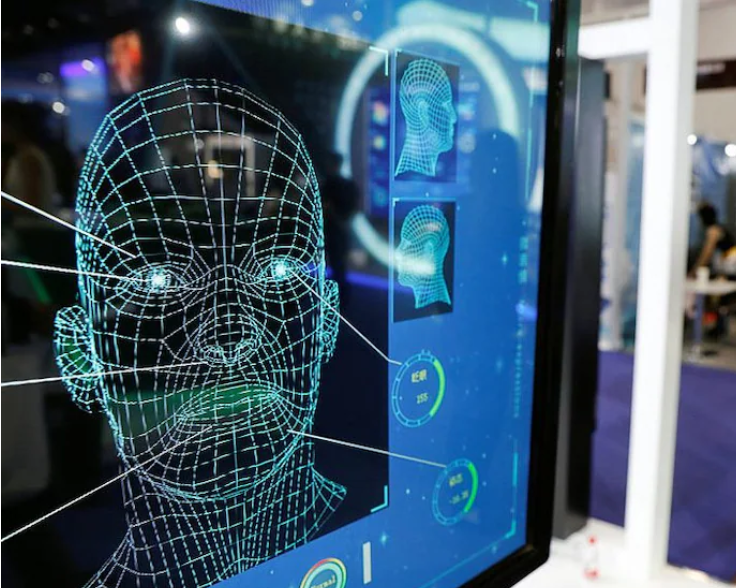
Customary Māori Values and Copyright Legislation for Facial Recognition Technology (FRT)
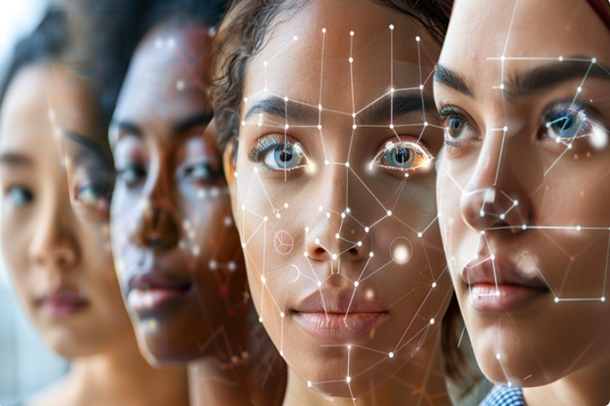
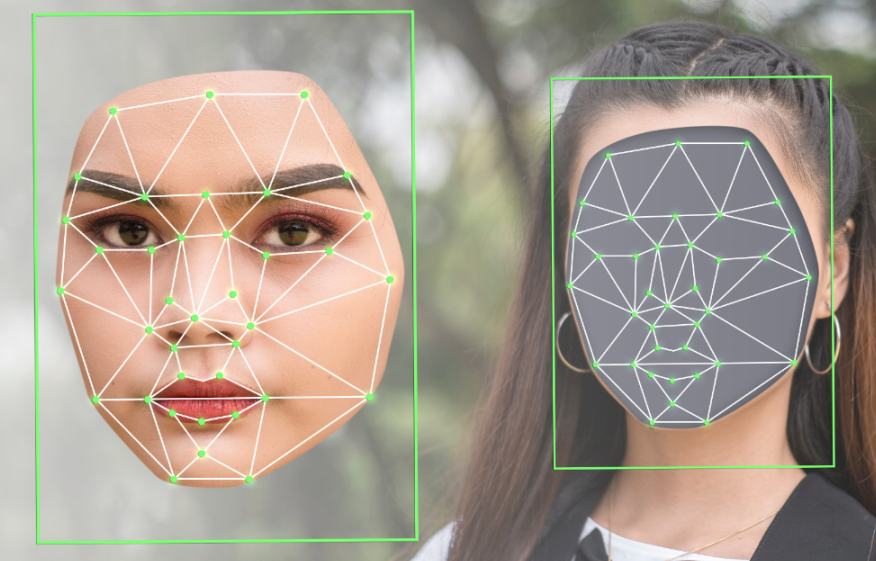
copyright symbol, facial recognition and one a light brown skinned face

For many years, I have written about Māori data sovereignty principles and the risks that Māori and other minority communities are confronted with from emerging digital technologies. In particular: deepfakes, cultural appropriation (such as the misuse of moko), voice cloning, and biased facial recognition systems. These technologies raise significant concerns, including identity theft, fake pornography, … Read more

Good news AI case study for Māori education

Chat GPT generated image. Prompt "Create an image of Māori children at school"

According to their media release, the Writer’s Toolbox is a New Zealand and Australian education company. They provide an educational writing programme, powered by patented AI, designed to help students master writing. It is having a serious impact on Māori students’ literacy achievements. After using Writer’s Toolbox [using a locally-built AI], Thornton School [Decile 5, … Read more

Introduction to Facial Recognition bias

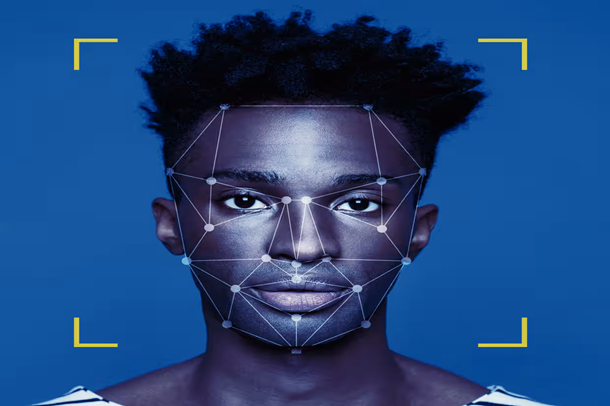
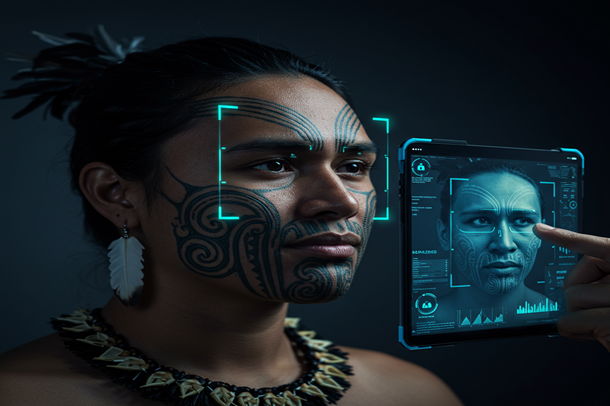
Maori man being analysed with FRT

Now, more than ever, it is important to learn the basics of Facial Recognition Technology (FRT) bias and the impacts on Māori communities, including the need to recognise Māori data sovereignty Principles. Recent developments include: New Zealand considering Facial Recognition Technology (FRT) for retail stores with an advisory panel of no Māori, AI drones for … Read more

NZ Government Facial Recognition Technology

frt2

We use our image of our face as a modern-day password for many things including mobile banking, unlocking our phones, X (formerly Twitter), Firefox Klar and an ever-increasing number of other online services. For law enforcement agencies and retail security, Facial Recognition Technology (FRT) systems are used to decide many factors including who becomes a suspect … Read more

DeepSeek versus ChatGPT for Māori

gpt

The introduction of the Chinese AI DeepSeek has been a popular media topic this week. Some of the topics include how much faster it is and how much cheaper it is to run. Concerns about how high-end computer chips were obtained by the Chinese company despite a trade ban on their expert to China from … Read more

Financial considerations for Māori and NZ Data Sovereignty

cloud

According to this article the uncertainty with the foreign exchange and the $NZ loosing to the $USA, cloud computing has increased by 14% since September 2024. In addition to the international uncertainly with global events and the need to maintain security and budgets are all creating risks for New Zealand businesses that use cloud computing. … Read more

AI Plagiarism of Māori Data and Storage

plagiarism

It is a well documented fact in New Zealand and all over the world, that Artificial Intelligence and in particular Large Language Learning Models (LLMs) have been used for student plagiarism in schools, training institutes and universities. Not so well documented are the false notifications that result in innocent students being accused of cheating and … Read more

Facial Recognition trial report obfuscates risks to Māori

FRT

The New Zealand Department of Internal Affairs (DIA), commissioned an independent Facial Recognition Trial of their Identity Check system using DIA passport face images to test against. Overall, Māori data sovereignty principles were vacant. Buried in the report was high probability of bias against Māori. DIA now say they will further test after asked by … Read more

Inconsistencies with Facial Recognition Trial

FRT

Foodstuffs North Island (FSNI) controversially started a Facial Recognition Trial in their stores to provide more protection to their staff. There are mountains of research and cases of innocent people of colour being falsely identified by Facial Recognition Technologies, false arrests, being identified as gorillas etc. There is also a need for recognition of Māori … Read more

Treatment of Māori language in language modelling

voice

This is my contribution as a critical Indigenous Researcher to the Nature Journal’s article “Increasing the presence of Black, Indigenous, People of Color (BIPOC) researchers in computational science”  regarding language revitalisation and Artificial Intelligence, along with many other international voices. The Māori language was banned by native schools and other government led assimilation practices in … Read more

X is allowing 3rd parties to train AI on its data starting Nov 15

Earlier this week X (formerly Twitter) updated its Privacy Policy to indicate that it would allow third-party “collaborators” to train their AI models on X data, unless users opt out. Thanks to TechCrunch who first published the details. If you have already locked down your Twitter Privacy, there appears no change. This is a timely reminder that your posts … Read more

Cross-agency survey of use cases for Artificial Intelligence

nzgov

The Government Chief Digital Officer (GCDO) released results of the 2024 cross-agency survey of use cases for artificial intelligence (AI). The results are not surprising when read and considered in conjunction with Aotearoa New Zealand business surveys and privacy perceptions of AI by the Aotearoa New Zealand public. Of surprise though, is the guidance discriminates … Read more

First New Zealand government agency to trial Generative AI

According toRadioNZ article, ACC is the first New Zealand government agency to trial Generative AI over the past year using Microsoft’s Copilot in tests. This article covers the key points and looks at the benefits and risks to Māori. Key points from the article: Most importantly and most reassuring is the government’s chief digital officer … Read more

Māori and First Nations Australia musicians views of Artificial Intelligence (AI)

New Zealand and Australian musicians were surveyed about their views of Artificial Intelligence and its impacts on their music, in addition Māori and Aboriginal and Torres Straight Islanders were segmented out creating a unique Indigenous Peoples perspective of AI and their music. The report AI and Music market development of AI in the music sector … Read more

ChatGPT and its gender bias with te reo Māori

gender neutral

This article looks at the gender bias with Māori language translations using the non gender specific pronoun in the Māori language ‘ia’. There is a significant amount of historical and recent research with, but not limited to Large language models (LLMs) such as ChatGPT, Google Bard, or LLMs containing various biases including against females and … Read more

Governance issues, Māori Data Sovereignty and Privacy Issues with Slack

Slack is a cloud-based team communication platform developed by Slack Technologies, which has been owned by Salesforce since 2020. Slack has freemium and paid subscriptions. Slack’s primary userbase is businesses, and has functionalities primarily for businesses. It is also popular among many groups including Māori. Recently and very discreetly Slack announced on their Privacy Principles: Search, … Read more

Safeguarding whānau, iwi, hapū, marae, rōpū from AI-generated deep fakes

Deepfakes are forms of digitally altered media — including photos, videos and audio clips — that seem to depict a real person. They are created by training an AI system on real clips featuring a person, and then using that AI system to generate realistic (yet inauthentic) new media. Deepfake use is becoming more common. … Read more

First Māori woman victim in facial recognition trial in a month

Only 5 weeks ago I warned Facial Recognition Technology bias in the Foodstuffs trial was technically likely and not a matter of if, but when and that Māori women would likely be discriminated against. That same week Māori Television first reported “Māori women and women of colour will be targeted’ in Foodstuffs’ facial recognition trial … Read more