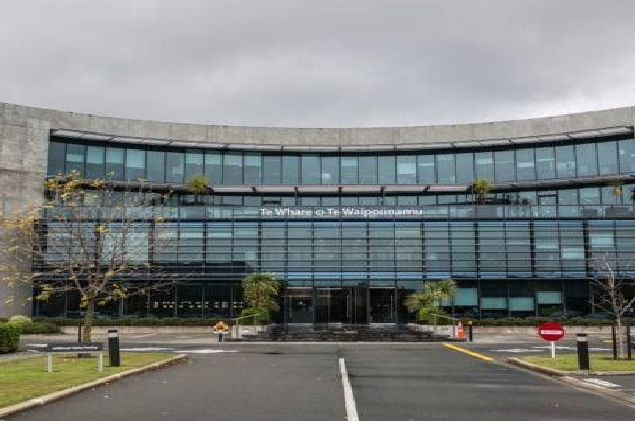
Te Rūnanga o Ngāi Tahu was established by Te Rūnanga o Ngāi Tahu Act 1996. It is the legal and governing entity for the whole iwi, and the Act also defines the Ngāi Tahu takiwā.
It became the post-settlement governance entity under the Ngāi Tahu Claims Settlement Act 1998, which followed Te Kerēme, the Ngāi Tahu claim.
Rūnanga or rūnaka in the Kāi Tahu dialect means a council or assembly. It refers to a local tribal council, known officially as a Papatipu Rūnanga.
Each of the 18 Papatipu Rūnanga appoints one representative to the governing table. This keeps iwi-level authority grounded in the local rūnanga rather than placed above them.
Te Rūnanga o Ngāi Tahu manages the collective settlement assets and investments, including through Ngāi Tahu Holdings. It also runs iwi-wide social, cultural, educational and environmental programmes, such as Whai Rawa savings and education grants, for more than 80,000 registered members.
Papatipu Rūnanga are the marae-based, regional expressions of mana whenua. Te Rūnanga o Ngāi Tahu is the iwi-wide body they collectively form and govern.
Each of the 18 Papatipu Rūnanga appoints one representative to the governing table at Te Rūnanga o Ngāi Tahu. Te Rūnanga o Ngāi Tahu manages the collective settlement assets and investments, including through Ngāi Tahu Holdings. It also runs iwi-wide social, cultural, educational and environmental programmes, such as Whai Rawa savings and education grants, for more than 80,000 registered members.